
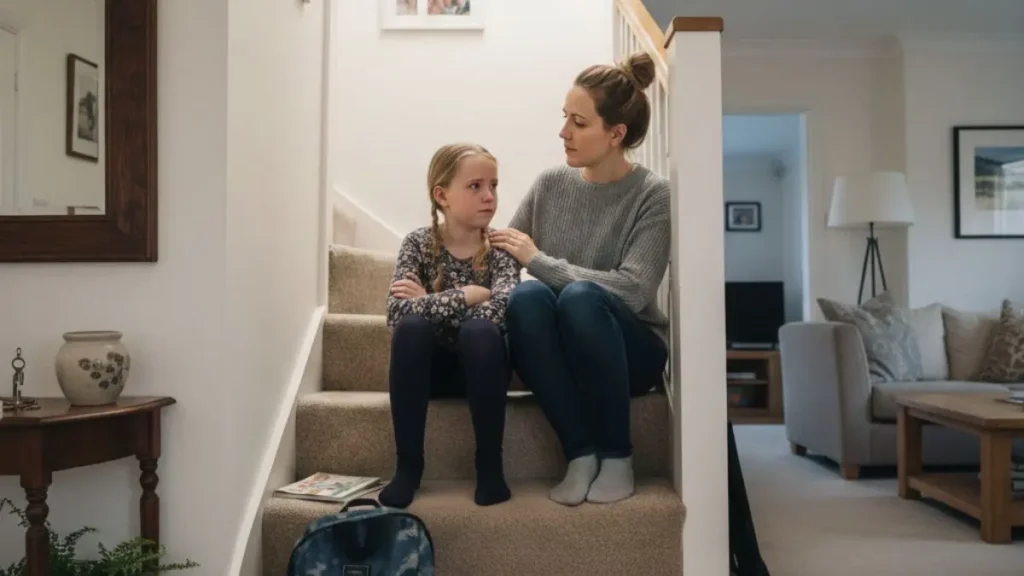
When a child is overwhelmed, upset, or melting down, many of us feel an urge to step in and make it stop. This article is about a calmer, more supportive approach. One that helps children feel safe with big emotions, without rushing to fix, distract, or shut them down.
TL;DR
Big emotions can feel uncomfortable for everyone involved. This article explores how to support children through emotional overwhelm without turning it into a problem to solve:
- Big emotions are part of healthy emotional development
- Children often need presence more than solutions
- Staying calm helps regulate their nervous system
- Naming feelings can be more helpful than fixing them
- Support looks different for different children
This article is for / not for
This article is for:
- Parents of children who experience intense emotions
- Families navigating emotional overwhelm, meltdowns, or shutdowns
- Parents who want to respond calmly rather than reactively
This article is not for:
- Emergency mental health situations
- Advice about diagnosis or treatment
- Situations where a child is at immediate risk
Medical disclaimer
This article is written from lived experience and research and is for general information and parental support only. It does not diagnose mental health conditions or provide medical or therapeutic instruction.
If you are worried about your child’s emotional wellbeing over time, or their safety, speak to your GP or seek guidance from recognised UK organisations such as the NHS or Mind.
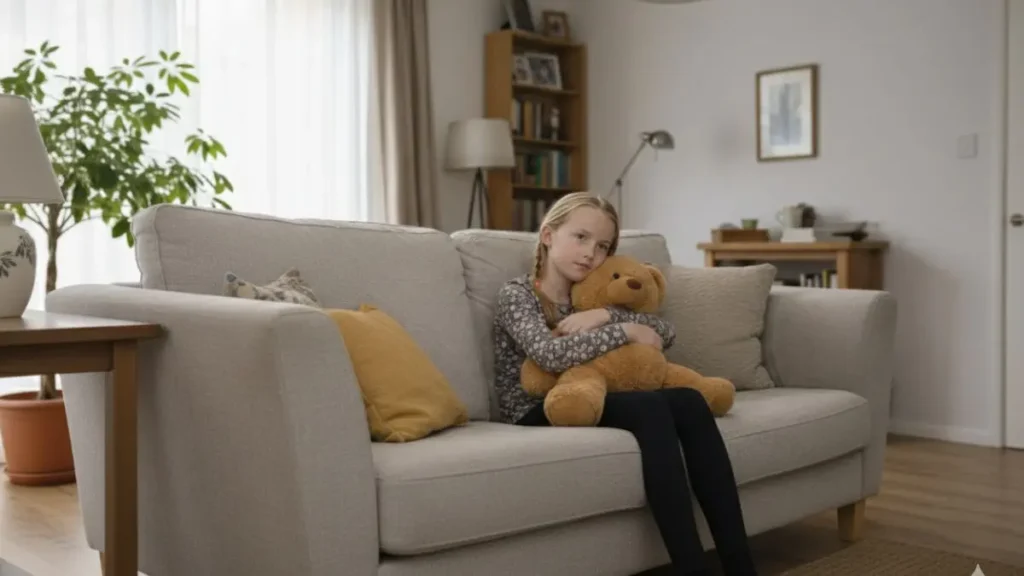
Why big emotions feel so hard to handle
When children experience big emotions, it can trigger our own discomfort. We may worry about being judged, about things escalating, or about what it all means long-term.
For many parents, the instinct is to calm things quickly. To distract, explain, reason, or make it better.
What we found was that these well-meaning responses can sometimes make things harder for a child who is already overwhelmed. Over time, this can teach children that their emotions are wrong or unwelcome, leading them to hide or mask how they feel rather than learn how to express and manage those emotions safely.
Big emotions are not bad emotions
Children are still learning how emotions feel in their bodies. Frustration, anger, sadness, and anxiety can all show up loudly before a child has the skills to manage them.
This does not mean something is wrong. Big emotions can look alarming or distressing to us as parents, but they are a normal part of how children learn to experience and process feelings.
It means your child is practising how to cope, with you nearby.
Supporting without fixing
When a child is emotionally overwhelmed, their brain is often not ready for logic or solutions.
Support in those moments is often quieter than we expect. It might mean sitting nearby without demanding eye contact, keeping your voice calm and steady, or simply acknowledging what you see rather than correcting it.
Simple phrases can help:
- “That looks really hard.”
- “I’m here with you.”
- “You’re safe.”
These do not fix the emotion, but they help the child move through it by reducing threat and helping their nervous system settle. Feeling seen and safe allows the emotional surge to rise, peak, and pass, rather than getting stuck or pushed down.
Sometimes those pushed-down feelings can resurface later as anxiety, anger, or shutting down, often in ways that are harder to understand at the time.
Regulating yourself first
Children often take emotional cues from the adults around them.
If we are tense, rushed, or panicking internally, children can sense it.
This does not mean you need to be perfectly calm. It means noticing your own reactions and slowing things down where you can.
Sometimes the most helpful thing you can do is take a breath and stay present.
Naming feelings calmly
Once the intensity has eased slightly, some children find it helpful when emotions are named.
This might sound like:
- “I wonder if that felt really frustrating.”
- “It looked like things felt out of control just then.”
This helps children build emotional language over time. It is an invitation, not a correction.
Not all children want this in the moment. It is okay to try later or not at all.
When to step back in with guidance
After the emotional wave has passed, some children are open to talking about what might help next time.
This is often more effective when it happens later, not in the heat of the moment.
You might gently explore this together afterwards. Asking questions like “What felt like it helped?”, “What made things harder?”, or “Was there anything that made it feel a little easier?” can let the conversation unfold naturally over time. Framing it this way keeps the focus on learning rather than blame.
Related reading
If you’re thinking more about emotional wellbeing and everyday parenting, you might also find these helpful:
- How to support a child’s mental health without overreacting
- A realistic reset for parents after a hard year
- Mental load isn’t just a mum issue, dads feel it too
For trusted UK guidance on children’s emotional health, these organisations are a good place to start:
A calmer way forward
Helping kids with big emotions is not about having the right script or response every time.
It is about showing up, staying connected, allowing feelings to exist without fear, and noticing what is working for your child.
Over time, that steady support helps children learn that emotions pass, and that they are not alone when things feel big.
FAQ
Is it okay to leave a child alone when they are overwhelmed?
Some children need space, others need closeness. Watching your child’s cues matters more than following one rule. For some children, not being given space when they need it can actually add to the overwhelm and risk inflaming the situation rather than calming it.
What if my child’s emotions feel bigger than other children’s?
Children vary widely. If intensity or frequency is affecting daily life, it can be helpful to speak to a professional for reassurance and guidance.