
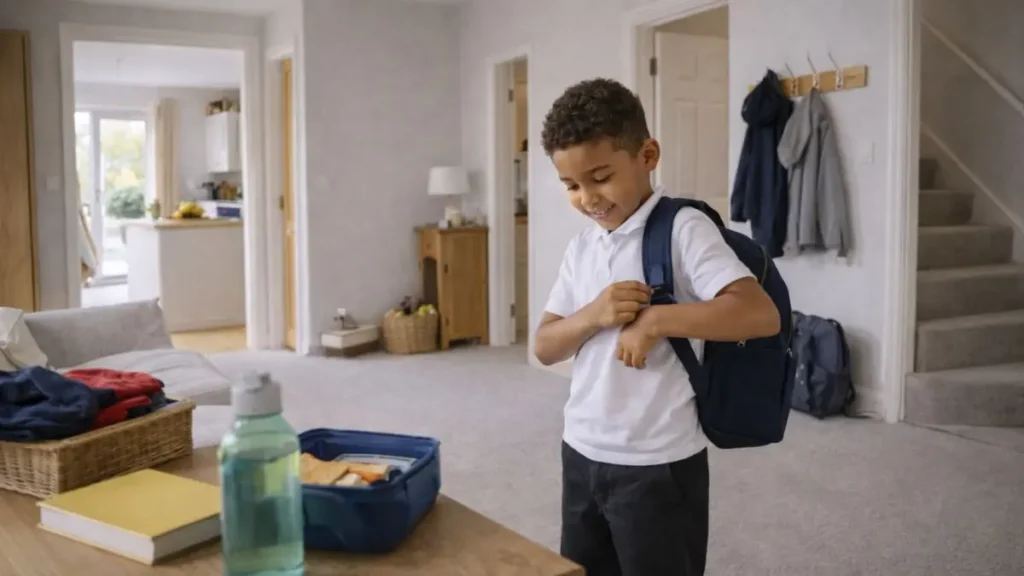
School mornings can feel like a daily pressure point. Even when you try to be organised, the rush, resistance, and emotional load can make the start of the day harder than it needs to be. This article looks at realistic ways to make mornings easier without asking your child, or yourself, to wake up earlier.
Quick summary
If school mornings feel hard, it’s rarely because you’re not doing enough. It’s usually because:
- Mornings place multiple demands on children before they are fully regulated
- Transitions, time pressure, and expectations pile up quickly
- Many children need more support with momentum, not more time
Small changes to how mornings flow can make a bigger difference than waking earlier.
This article is for / not for
This article is for:
- Parents of children who struggle with school mornings
- Families dealing with slow starts, resistance, or overwhelm before school
- Parents looking for practical, low‑pressure changes
This article is not for:
- Families already waking extremely early for medical or care reasons
- Situations involving safeguarding or acute mental health concerns
Why mornings feel so hard
Mornings ask a lot of children in a very short space of time. They are expected to wake up, get dressed, eat, remember belongings, transition out of the house, and emotionally prepare for the school day.
For many children, especially those who are sensitive, anxious, or neurodivergent, this sequence is demanding before their nervous system is fully online. Time pressure can amplify stress, even when adults are calm.
When a child resists or slows down, it’s often not defiance. It’s a sign that their brain is struggling to shift gears quickly enough.
Why waking earlier often doesn’t help
Waking earlier sounds logical, but for many families it simply moves the stress rather than reducing it. Some children need longer to wake emotionally, not just more minutes on the clock.
Earlier alarms can increase tiredness, reduce resilience, and make mornings feel heavier. What looks like a time problem is often a regulation and transition problem instead.
Focus on reducing friction, not speeding up
Making mornings easier is often about removing unnecessary points of friction. This might mean fewer decisions, fewer transitions, or fewer things competing for attention.
Small, practical changes that often reduce cognitive load include:
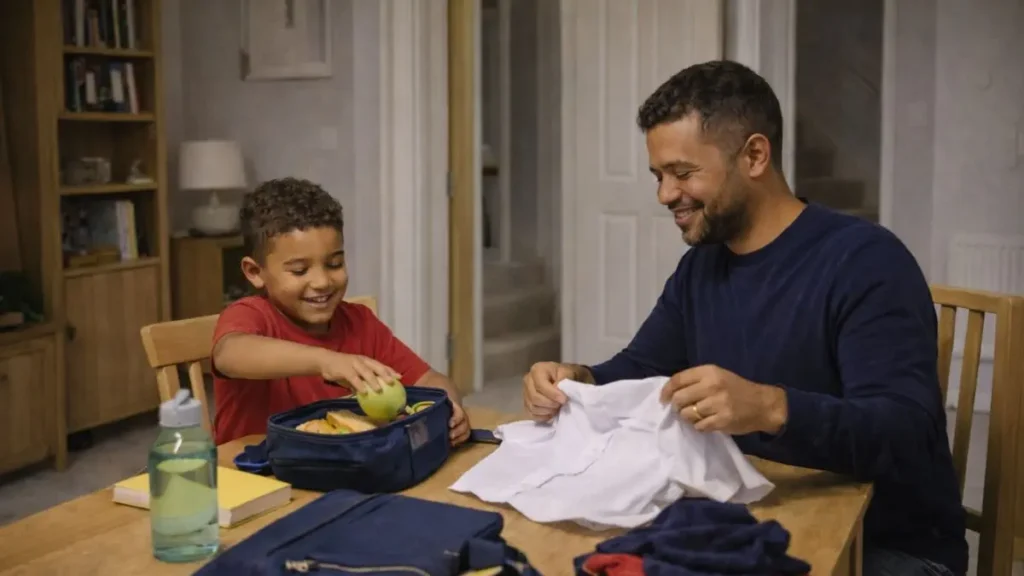
- Laying out clothes the night before
- Packing school bags in advance
- Keeping breakfast options predictable
The aim isn’t perfection. It’s making the path through the morning feel smoother.
Support momentum, don’t demand it
Many children struggle most with getting started. Once they are moving, they cope better.
Gentle prompts, shared routines, or doing the first step together can help build momentum. Some children respond well to visual cues or a consistent order of tasks rather than verbal reminders.
This support isn’t about doing everything for them. It’s about helping their brain get into gear.
Keep emotional tone steady
Children are highly sensitive to emotional atmosphere in the morning. Even when adults feel rushed inside, keeping tone calm and predictable helps children feel safer.
If a morning starts badly, it doesn’t mean the day is ruined. Resetting the tone with reassurance rather than correction can prevent escalation.
Accept that some mornings will still be hard
Even with the best routines, some mornings won’t go smoothly. Growth, sleep, anxiety, and external pressures all play a role.
Making mornings easier isn’t about eliminating difficulty entirely. It’s about reducing how often mornings tip into stress for everyone.
Related reading
You may find these articles helpful:
- What to try when your child refuses to talk after school
- After-school meltdowns: what’s actually going on
Other support and guidance
If mornings are consistently overwhelming or linked to anxiety, this UK‑based resource may be helpful:
A calm morning takeaway
You don’t need earlier alarms to improve school mornings.
Small, thoughtful changes, creating a morning routine that reduces pressure and support transitions often do far more to help children start the day feeling steadier and more able to cope.