
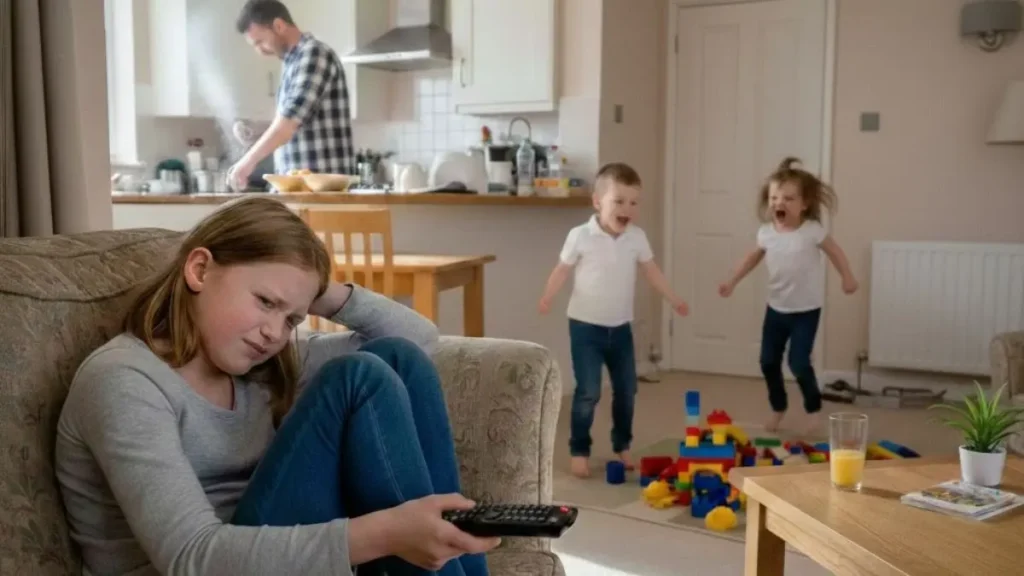
Home is meant to be the safe place. So it can feel confusing when your child melts down in the kitchen, refuses dinner, or explodes over something small. This article explains sensory overload at home in calm, practical terms and highlights the everyday triggers many parents understandably overlook.
TL;DR
Sensory overload at home is often less about behaviour and more about nervous system overload. The key ideas in this article are:
- Home environments can be just as sensory-heavy as school, sometimes more
- Small triggers build across the day rather than appearing as one obvious cause
- Sensory overload often looks like defiance, rudeness, or moodiness
- Reducing background load is often more effective than correcting behaviour
This article is for / not for
This article is for:
- Parents noticing meltdowns or tension at home
- Families where evenings feel harder than expected
- Parents wanting practical adjustments without overcomplicating things
This article is not for:
- Diagnosing Autism or other neurodivergence
- Suggesting children are overreacting on purpose
- Replacing professional assessment where concerns are significant
Medical disclaimer
This article is for general information and parental understanding only. It does not diagnose conditions or provide medical advice. If you are concerned about your child’s development, wellbeing, or mental health, consult a qualified professional or refer to recognised UK guidance such as the NHS.
If this isn’t quite right for you
You might find this helpful:
- Why some children cope all day at school then fall apart at home
- Autism traits in children that don’t look like stereotypes
Or browse all our Neurodiversity articles.
If this article feels relevant for you, read on.
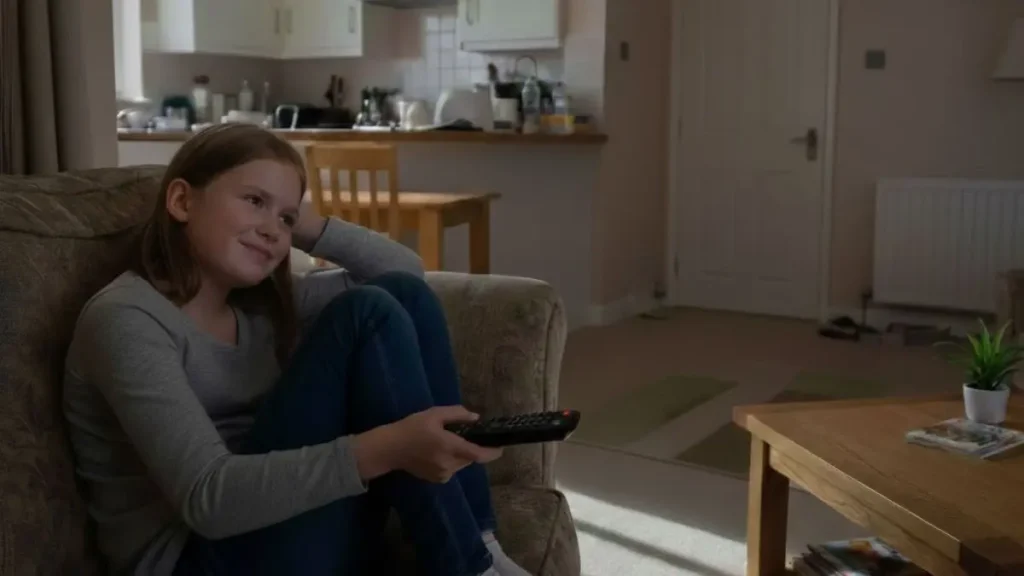
When home is not as calm as it feels
We often think of home as low demand. But kitchens are noisy. Lights are bright. Siblings move unpredictably. The television hums in the background. There are smells, textures, and constant transitions.
For some children, especially those with sensory sensitivities, this background load builds quietly.
It is not usually one dramatic trigger. It is accumulation.
A lived example: what overload can feel like
Many neurotypical brains automatically filter background sensory input. The nervous system turns the volume down on irrelevant noise, texture, movement, or temperature so attention can stay on what matters.
For many neurodivergent children, that filtering is less automatic.
Their nervous system may register far more of what is happening at once, and some inputs can feel amplified rather than softened. It is not that they are choosing to focus on these sensations. Their system is simply taking in more.
I remember first recognising this in myself in a busy café. I could feel the uncomfortable seat beneath me. I could hear overlapping conversations and the coffee machine steaming in the background. The room felt overly warm.
I was trying to hold a conversation with a friend while all of that sensory input pressed in at once. The discomfort kept building. It felt like the sensory equivalent of someone singing “I know a song that’ll get on your nerves” over and over again, with no escape.
Children often find this even harder. They have less control over their environment, fewer coping strategies, and less developed regulation skills.
When their nervous system is overwhelmed, they cannot simply step outside, lower the lighting, or leave the situation. That lack of control can intensify the overload.
Understanding this makes home reactions easier to interpret. What looks like sudden behaviour is often a nervous system that has been working far harder than we realised.
The sensory triggers parents commonly miss
Many of the triggers that contribute to sensory overload at home are ordinary and easy to dismiss.
The extractor fan or washing machine running in the background may barely register to one child, yet feel intrusive to another. Bright overhead lighting in the evening can feel harsh after a full day under fluorescent lights.
Clothing that seemed fine in the morning may suddenly feel irritating against tired skin. Strong cooking smells can become overwhelming when a child is already at capacity. Even siblings talking over each other can feel like competing noise rather than normal family life.
None of these triggers are extreme in isolation. Together, they can overwhelm a tired nervous system.
Why it often shows up after a full or demanding day
Sensory overload at home does not only appear after school. It can surface after any full, demanding, or emotionally stretching day.
That might mean a busy birthday party, a crowded supermarket trip, a change in routine, a difficult playdate, or even a day that simply required more social effort than usual.
If a child has already managed noise, expectations, transitions, or strong emotions elsewhere, their nervous system may already be close to capacity by the time they walk through the door.
When that capacity is low, even small additional input can tip them over the edge. A minor request like washing hands, turning off a device, or sitting at the table can trigger a reaction that feels disproportionate.
It is rarely about the request itself. It is about how full their system already was before that moment.
What sensory overload can look like at home
Sensory overload does not always look dramatic. It may show up as irritability or snapping at siblings, refusing to wear certain clothes, complaining about noise that others barely notice, or suddenly withdrawing and going quiet. In some cases, it builds until a meltdown seems to come from nowhere.
Seen through a sensory lens, these responses often make more sense.
Practical ways to reduce background load
Before adding behaviour strategies, it can help to lower the overall sensory demand.Small changes often make a bigger difference than expected. Switching off background television when no one is actively watching can immediately reduce competing noise.
Using lamps instead of overhead lighting in the evening softens the visual environment. Offering comfortable clothing options after a long day can prevent unnecessary irritation.
Building in a short quiet decompression window before dinner gives the nervous system time to settle. Allowing movement or brief alone time before expecting conversation can also lower the emotional temperature.
These adjustments are not about creating a silent house. They are about giving the nervous system space to settle.
If helpful, some families explore tools such as soft lighting, noise-reducing headphones, or simple fidget items during high-demand periods. These are not solutions on their own, but they can support regulation when used thoughtfully.
Further reading that may help
If this article resonates, the following pieces explore related patterns in more depth and from slightly different angles:
- How to spot sensory overload before it tips into a meltdown – explains the subtle signals that appear before behaviour escalates and how to respond early.
- How to reduce evening chaos without stricter routines – looks at why adding more rules or tighter schedules can sometimes increase stress, and how lowering demand and adjusting the environment can create calmer evenings without becoming more rigid.
Other information
For information about sensory processing find this page on the National Autistic Society website helpful:
What matters most
If evenings feel harder than they should, it does not mean you are doing something wrong.
Often it means your child’s nervous system is full.
Lowering the sensory load can be more powerful than increasing discipline. A calmer environment often leads to calmer behaviour.