
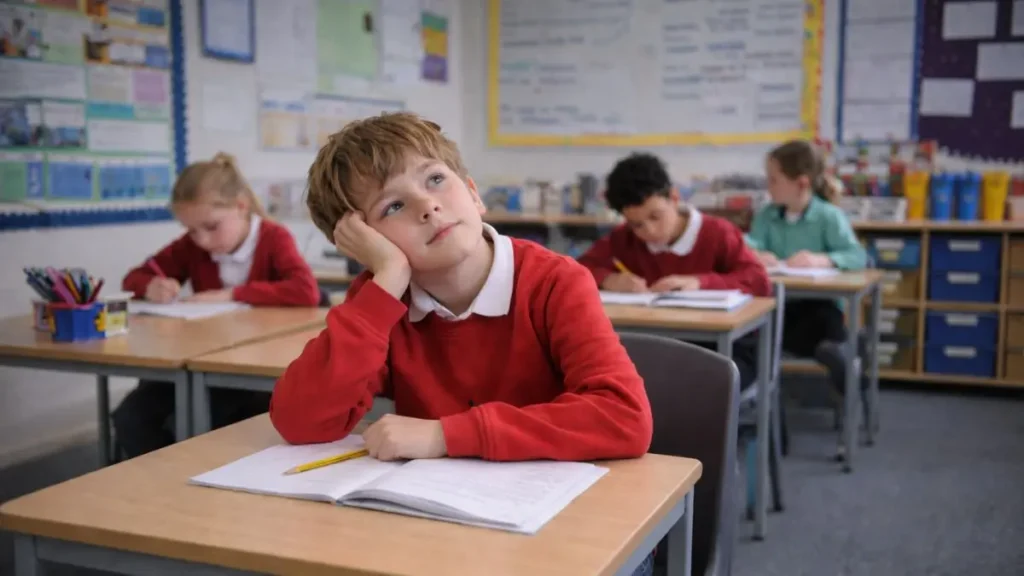
It can feel quietly unsettling when your child seems capable, thoughtful, and confident at home, yet struggles to meet what school expects of them. This article explores why that mismatch happens, what it really means, and how to respond calmly without increasing pressure or eroding confidence.
TL;DR
Sometimes the issue is not unwillingness or lack of ability. It is a mismatch between school expectations and how your child currently develops, regulates, or processes the world.
When expectations and needs are out of sync:
- Behaviour can look like defiance when it is actually overwhelm
- Effort can be mistaken for laziness when it is mental fatigue
- Emotional reactions can increase as pressure increases
- Confidence can dip, even when ability is present
A calm, curious approach protects confidence far more effectively than pushing harder.
This Article Is For / Not For
This article is for:
- Parents who feel school expectations do not quite fit their child
- Families noticing increased stress around homework or classroom behaviour
- Parents who want to respond thoughtfully rather than reactively
This article is not for:
- Situations involving immediate safeguarding concerns
- Complex legal disputes requiring specialist professional advice
If this isn’t quite right for you
You might find these more helpful:
- How to reduce evening chaos without stricter routines
- Why some children cope all day at school then fall apart at home
Or browse all our School articles.
If this article feels relevant for you, read on.
When Expectations Feel Heavier Than They Should
Most schools work within clear frameworks. There are curriculum targets, behaviour policies, and social expectations designed to create structure and consistency. For many children, these expectations are manageable. For others, they can feel like wearing shoes that technically fit but constantly rub.
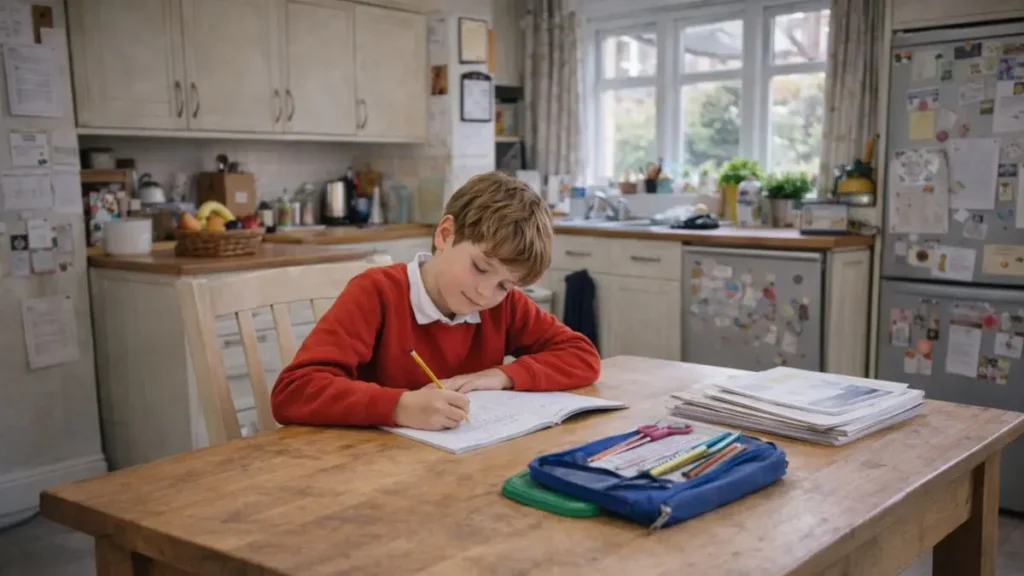
At home, you may see your child’s humour, depth, creativity, or emotional insight. At school, you may hear about missed homework, daydreaming, talking out of turn, or emotional outbursts. The contrast between those two versions of your child can be confusing and sometimes worrying.
Often, the issue is not motivation.
It is fit.
Why the Mismatch Happens
Children develop unevenly. A child might read above age level but struggle with transitions. They may understand maths concepts yet find group work draining. They may cope academically but feel overwhelmed by the social or sensory demands of the classroom.
Schools understandably apply general expectations across a class. However, children do not experience those expectations equally.
If a child’s nervous system works harder to filter background noise, manage anxiety, process instructions, or interpret social cues, the same expectation costs them more energy. What feels routine to one child can feel taxing to another.
By the end of the day, that cost accumulates.
What This Can Look Like in Practice
A mismatch between school expectations and a child’s needs rarely announces itself clearly. It often appears gradually, through small shifts in mood, behaviour, or confidence that are easy to dismiss at first.
Over time, however, those signs can become more noticeable. You might see:
- Increased emotional reactions to small setbacks
- Avoidance of homework or reluctance to talk about school
- Complaints of tummy aches or headaches before school
- A drop in confidence or negative self-talk
These signs do not automatically mean something is seriously wrong. They often signal that pressure is beginning to outpace capacity.
How to Respond Without Escalating Pressure
It is natural to want your child to meet expectations. Most parents worry about long-term consequences if they do not.
If you see a confident, capable version of your child at home, that matters. It suggests the issue is not a lack of ability, but that the context may not currently be the right fit. That is reassuring. It means there is something to understand and adjust, not something fundamentally wrong.
Pushing harder rarely resolves a mismatch. Increased pressure can heighten shame and anxiety, which further reduces a child’s ability to cope.
A more helpful starting point is curiosity.
You might gently ask:
- What part of the day feels hardest?
- When does it feel easier?
- What helps, even a little?
If your child cannot answer clearly, that is common. Many children experience strain physically or emotionally before they can describe it in words.
Working With the School, Not Against It
If concerns persist, a calm conversation with school can be constructive. Framing the discussion around support rather than blame helps maintain collaboration.
You might share what you notice at home and ask how your child manages similar moments in class. Small adjustments — clearer instructions, predictable routines, short movement breaks, or seating changes — can sometimes reduce friction significantly.
It is also important to remember that a child does not need a formal diagnosis for their needs to be recognised. Schools can provide graduated support based on observed needs and professional judgement.
When to Look More Closely
If the gap between expectations and your child’s wellbeing continues to widen, it may be worth exploring things more formally. That could involve speaking with the school’s SENDCO, your GP, or reviewing whether additional support may help.
Seeking clarity is not labelling your child.
It is understanding them.
You may also find this helpful
If you are trying to understand how expectations connect to readiness and anxiety, these may help:
- How SEND support usually works in UK primary schools – explains how schools provide graduated support and what to expect if expectations and needs feel out of sync.
- What ‘school readiness’ realistically means in the UK – explores how readiness is often misunderstood and why development does not move in straight lines.
What matters most
When school expectations do not seem to match your child, it does not mean your child is failing.
It often means something needs adjusting.
Responding with curiosity rather than urgency protects your child’s confidence while you work out what support will help them move forward.