
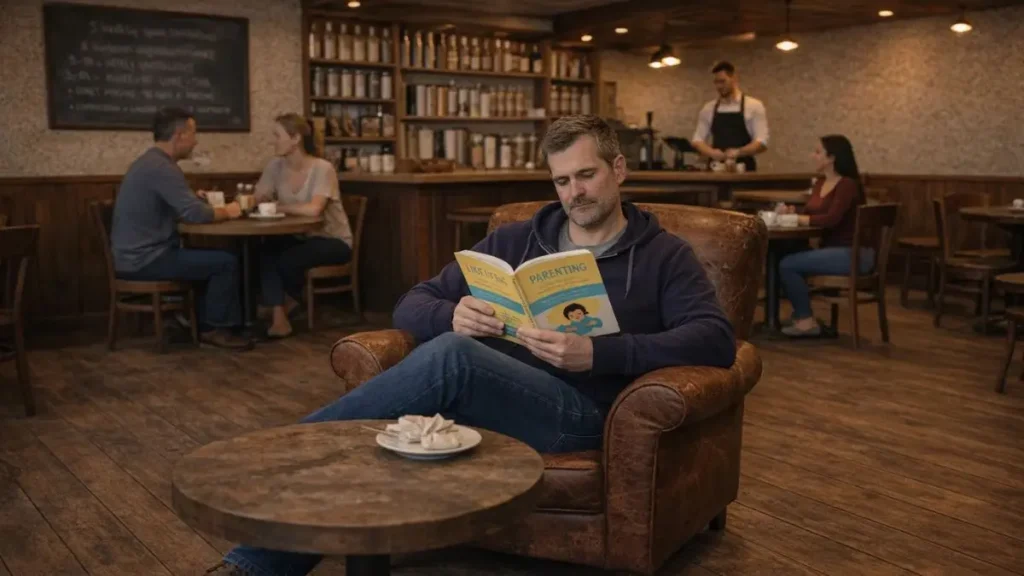
Most parents have moments where they wonder whether they should trust their own judgement or follow advice from somewhere else. When advice comes from many different places, it can feel hard to know which voice to listen to. Many parents gradually discover that the most helpful approach is usually a balance between trusting their instincts and staying open to supportive guidance.
Quick summary
Parenting instincts are not about ignoring advice. They are about recognising the understanding you already have of your child and letting that guide decisions alongside helpful information from others. A few ideas can help bring those two things together:
- Parents often know more about their child than they realise
- Instincts grow from everyday experience, not just feelings
- Advice can offer ideas without needing to replace your judgement
- Support can be helpful when parents feel stuck or overwhelmed
- Confidence often grows when instincts and trusted guidance work together
This article is for / not for
This article is for:
- Parents who feel unsure whether to trust their parenting instincts
- Parents who worry they might ignore helpful advice
- Families trying to balance their own judgement with outside guidance
This article is not for:
- Situations involving safeguarding or immediate safety concerns
- Parents looking for specific behaviour management techniques
Medical disclaimer
This article discusses parenting confidence and judgement. It does not provide medical or psychological diagnosis or treatment. If you are worried about your child’s development, behaviour, or your own wellbeing as a parent, it may help to speak with a GP, health visitor, or another qualified professional. UK organisations such as the NHS and Family Lives can also provide guidance and support.
Why parenting instincts often feel uncertain
Many parents recognise a moment like this. It is late in the evening, the house is finally quiet, and a quick search for parenting advice turns into reading several different opinions. A decision that felt reasonable earlier in the day suddenly begins to feel uncertain.
Parents often expect instincts to feel like a clear inner voice that always knows the right answer.
In reality, instincts usually feel quieter than that.
They often appear as small observations parents make about their child over time. A sense that a child is tired even if they insist they are not. A feeling that a certain approach tends to make things worse rather than better.
These instincts are not guesses. They grow from thousands of everyday moments spent watching, listening to, and responding to a child.
The difficulty is that parenting advice sometimes sounds more confident than a parent’s own thoughts. Books, experts, and social media posts are often written in ways that make their ideas sound certain.
When parents read many different opinions, it can become harder to notice the quieter understanding they already have.
What I gradually realised after reading different parenting advice is that each source often serves a different purpose. Medical organisations tend to focus on clear factual guidance. Parenting forums usually share individual experiences from other parents. Charities often focus on emotional support or wellbeing. Books and social media may emphasise specific methods or approaches.
None of these perspectives are necessarily wrong, but they are written with different goals in mind. When we read several of them at once, it can easily feel like we are being pulled in different directions.
Instincts are built through experience
The reason parenting instincts can often be trusted is that they grow from experience.
Parenting instincts are not something people either have or do not have. They develop gradually through everyday life with a child.
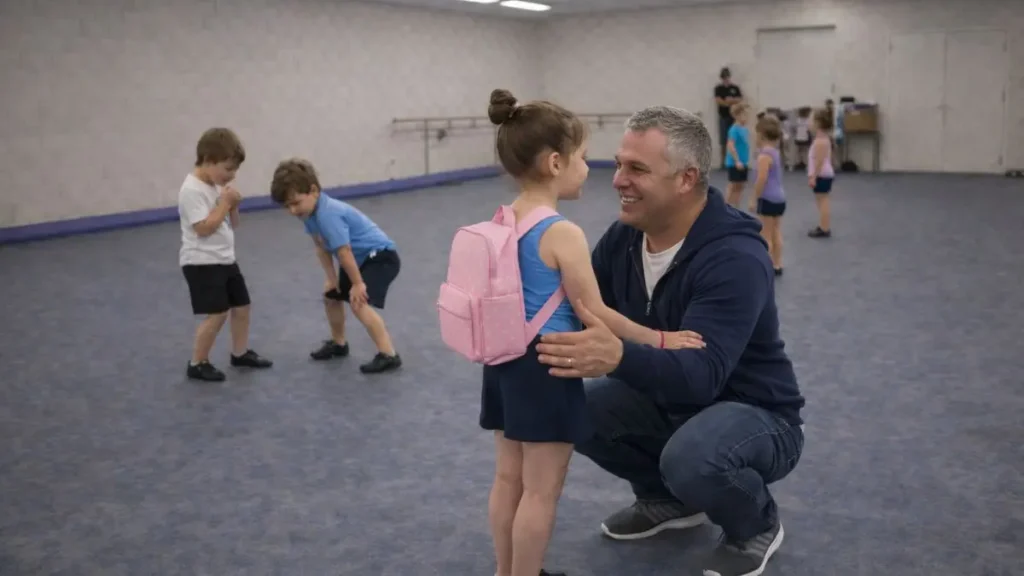
Every time a parent notices what helps their child calm down, what makes them laugh, or what usually leads to a meltdown, they are building a deeper understanding of that child.
Over time, this understanding becomes a kind of practical instinct.
For example, a parent might gradually notice that their child struggles when plans suddenly change, becomes overwhelmed in busy environments, or settles more easily at bedtime when routines stay predictable. These patterns often become clearer simply because parents see them day after day.
Advice can still provide ideas, but it cannot fully replace the knowledge parents develop from living alongside their child.
When outside advice is genuinely helpful
Trusting instincts does not mean rejecting support.
Sometimes parents are simply too close to a situation to see new possibilities. At other times they may be exhausted, stressed, or unsure what to try next.
This is where outside perspectives can be valuable.
Health visitors, teachers, experienced relatives, and well‑researched parenting resources can sometimes offer ideas that parents have not yet considered.
Support tends to work best when it feels like guidance rather than judgement.
Helpful advice usually shares a few important qualities. It respects that families are different, allows parents to adapt ideas to their own situation, and focuses on understanding the child rather than simply controlling behaviour. When advice feels flexible like this, it tends to sit comfortably alongside a parent’s instincts.
A simple way to balance instinct and advice
Many parents find it helpful to treat advice as something to explore rather than something to follow automatically. One gentle way to do this is by asking a few quiet questions first.
Parents might ask themselves whether the idea seems to fit their child’s personality, whether it aligns with the values they want for their family, and whether the advice feels supportive rather than shaming. If an idea feels useful, parents can experiment with it and see how their child responds. If it does not seem to fit, it is reasonable to leave it aside.
Parenting often works best as a process of observing, adjusting, and learning rather than trying to follow one perfect method.
You may also find these articles helpful
If you have ever felt unsure after reading parenting advice, these articles may help explain why that happens and how many parents experience the same thing.
- When parenting advice makes you doubt yourself explores how constant advice can quietly undermine confidence and why many caring parents begin to second‑guess themselves.
- Why parenting advice feels overwhelming so quickly looks at how the sheer volume of information parents encounter today can quickly become exhausting, even when the advice itself is well‑intentioned.
If parenting pressure or uncertainty is affecting your wellbeing, these UK organisations offer helpful support and guidance:
- Anna Freud Centre: self‑care for parents and carers
- Family Lives parenting advice and support services
What matters most
Parenting instincts are not about always being right. Many parents are already doing far better than they believe.
They are about staying connected to your child and noticing what helps them feel safe, understood, and supported. Advice can offer useful ideas, but it does not need to replace that connection.
Most parents gradually find their confidence grows when they treat advice as information rather than instructions. Your understanding of your child, built through everyday life together, is one of the most valuable guides you have.