
After a long school day, children don’t usually need more pressure. They need a gentle landing. A simple after-school routine can help everyone feel calmer without turning your home into a checklist or a battle.
Quick summary
A routine doesn’t need to be strict to be effective; the calmer and more predictable it feels, the more likely it is to work day after day:
- Keep the first 20–30 minutes low-demand (snack, quiet time, decompression)
- Don’t rush into homework or questions about their day
- Build a loose order, not a rigid schedule
- Use familiar cues instead of constant reminders
- Accept that some days will still feel messy
This article is for / not for
This is for you if:
- Your afternoons feel chaotic or tense after school
- Your child often melts down or resists everything when they get home
- You want a calmer rhythm without strict rules
This is not for you if:
- You’re looking for a strict timetable or behaviour system
- Your child needs a structured intervention plan from a professional
If this isn’t quite right for you
You might find these more helpful:
- When your child seems fine but is quietly struggling
- How to make school mornings calmer without rushing
Or browse all our School articles.
If this article feels relevant for you, read on.
Start with a decompression window
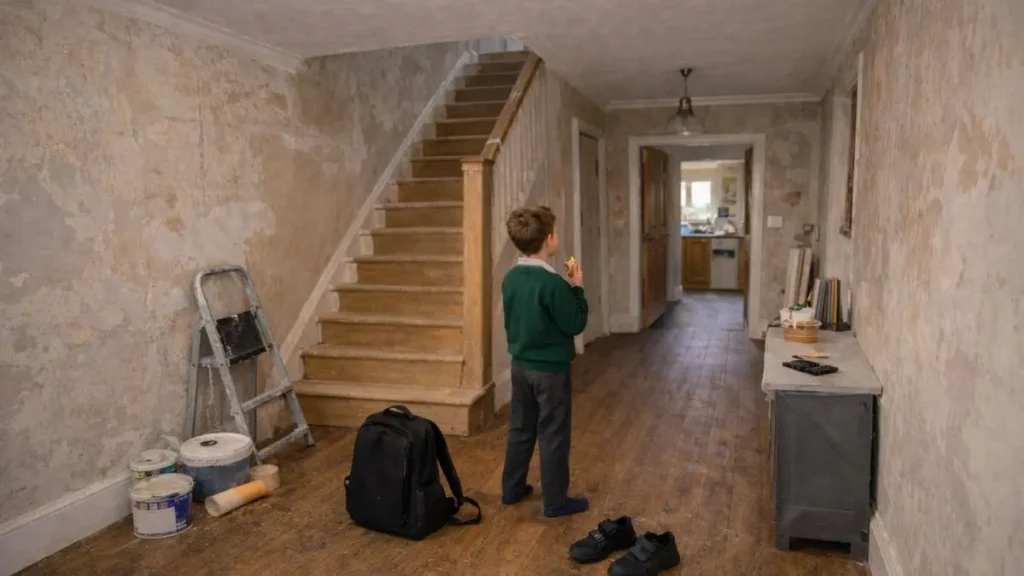
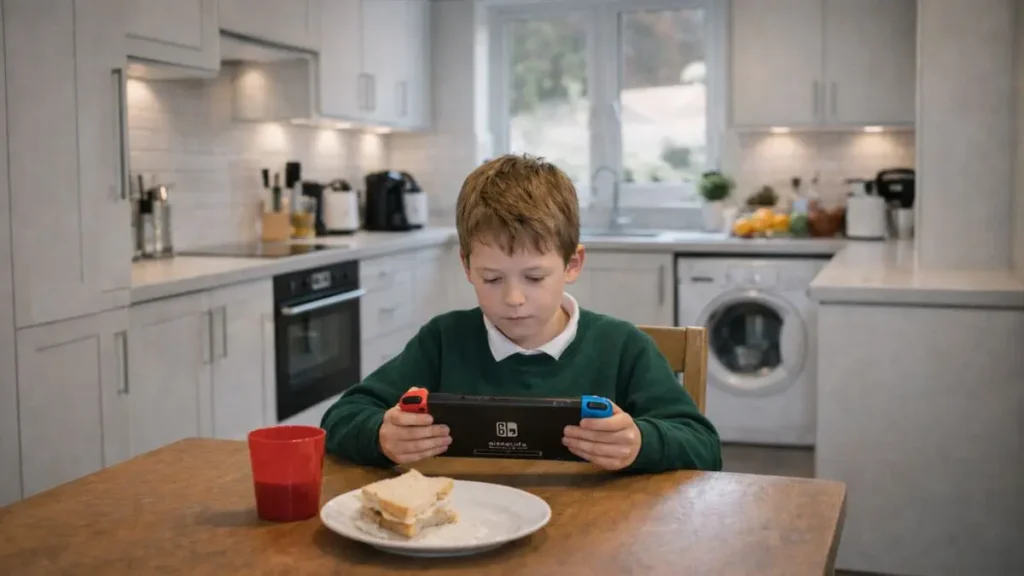
A simple example might be: shoes off, a snack, and 10 minutes on the sofa or doing something quiet.
One of the biggest shifts for us was realising that school takes more out of children than it looks like from the outside. By the time they get home, they’ve been listening, sitting, coping socially, and following instructions for hours.
Expecting them to switch straight into homework or structured activity can feel like asking them to keep performing without a break.
A short decompression window can make everything else easier. This might look like a snack, some quiet time, or just being left alone for a bit. Some children want to talk straight away, but many don’t.
A small insight that made a difference for us was this: behaviour after school often improved when we asked less of them, not more.
Keep the structure loose, not rigid
This is just an example of a flow, not a rule to follow exactly.
A routine helps because it removes constant decision-making, not because it controls every minute.
Instead of a fixed timetable, think in a simple flow:
- Home → snack → downtime → homework (if needed) → free time → dinner
This gives your child a predictable shape to the afternoon without pressure. If something runs late or gets skipped, the whole routine doesn’t fall apart.
Children tend to respond better when the routine feels like something that happens naturally, rather than something being enforced.
Use cues instead of constant reminders
If you find yourself repeating the same instructions every day, it can quickly turn into frustration on both sides.
Simple cues can reduce that. For example, always having a snack ready when they walk in, or starting homework after a particular programme finishes, creates a rhythm they begin to recognise.
Over time, the routine becomes something they move through without needing as much prompting.
Build in connection before expectations
It can be tempting to jump straight into questions about school or reminders about homework. But a small moment of connection first often changes how the rest of the afternoon goes.
This doesn’t need to be a big conversation. Sitting together for a few minutes, sharing a snack, or just being present can help your child feel settled.
Once they feel more regulated, they are usually more open to what comes next.
Accept that it won’t look perfect
Even the best routine won’t work every day. Some afternoons will still feel difficult, especially if your child has had a hard day at school.
The aim isn’t to create a perfect system. It’s to make most days feel a bit easier and less reactive.
If the general pattern works more often than not, that’s enough.
Related reading you may find helpful
If you want to understand what’s happening underneath the behaviour, these can help:
- After-school meltdowns: what’s actually going on – helps explain why behaviour often shifts after school and what it means
- What actually helps children calm down after a busy day – practical ideas to support regulation without pressure
For more guidance, you can refer to the NHS advice on children’s emotional wellbeing and behaviour, which offers further trusted, UK-based support.
What matters most
A simple after-school routine works best when it reduces pressure, not adds to it. If your child feels able to relax, reconnect, and move through the afternoon without constant correction, you’re on the right track.
It doesn’t need to look impressive. It just needs to work for your family.
FAQ
How long should an after-school routine be?
There isn’t a fixed length. Focus on having a consistent flow rather than timing everything. The first 20–30 minutes are usually the most important for settling.
What if my child refuses homework?
Sometimes resistance is about needing more time to decompress. Giving a bit more space before starting can help, but it’s also okay to keep expectations simple and flexible.
Do all children need a routine?
Most children benefit from some level of predictability, but how structured that looks can vary widely.