
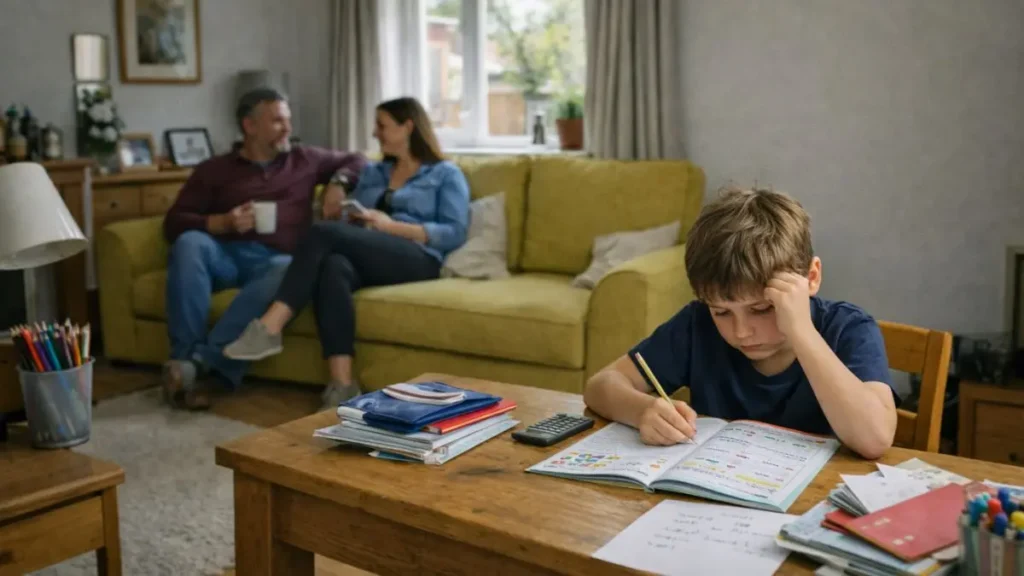
Some children appear to be doing fine on the surface. They follow rules, manage school, and rarely cause concern. But underneath, they may be putting in far more effort than it looks like. When a child seems to cope but is quietly struggling, support often needs to look different from what we expect.
Quick summary
Some children “hold it together” in busy environments, but that does not mean they are not finding things difficult. Support is less about fixing behaviour and more about understanding what is happening underneath:
- A child who seems fine may be using a lot of effort to stay that way
- Struggle does not always show as behaviour or disruption
- Support often means reducing pressure, not adding more demands
- Recovery time and emotional safety matter as much as performance
- Noticing small signs can make a big difference early on
This article is for / not for
This article is for:
- Parents whose child seems to cope but feels drained, tense, or withdrawn
- Families unsure whether their child actually needs support
- Caregivers noticing subtle changes rather than obvious struggles
This article is not for:
- Diagnosing conditions or identifying specific developmental needs
- Situations where a child is in clear distress or crisis
- Replacing professional advice where concerns are significant
Medical and wellbeing note
This article offers general guidance and reassurance. It does not diagnose or replace professional advice. If you are concerned about your child’s wellbeing or development, it is worth speaking to your GP, health visitor, or a qualified professional. You can also find guidance from the NHS and YoungMinds.
A child who seems to cope on the outside
Some children move through the day without drawing attention to themselves. They follow instructions, complete their work, and rarely cause concern, which can make everything look fine from the outside. Because of this, it is easy to assume they are coping well, but coping and thriving are not the same thing.
What often goes unseen is the amount of effort involved. A child may be constantly watching what others are doing, thinking carefully before speaking, or holding back emotions to avoid getting something wrong.
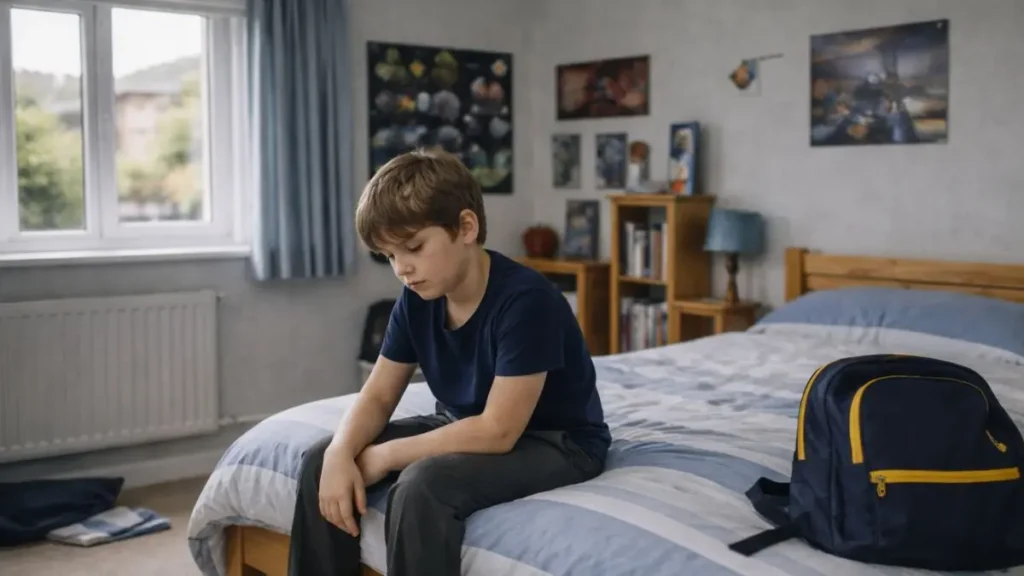
That effort builds quietly across the day, and by the time they get home, they may be tired, withdrawn, or in need of space, even though nothing obvious has gone wrong. These children are often described as “easy” or “no trouble”, when in reality they are working hard to stay that way.
That “coping” often involves constant decision-making. For example, in a classroom they might be watching how others answer questions, checking if they are sitting or speaking “correctly”, and holding back reactions even when something feels overwhelming. It can mean second-guessing themselves, suppressing how they feel, and staying mentally on for long periods without a break.
By the end of the day, this can leave them drained, tense, or overwhelmed, even if everything appeared to go smoothly on the surface. It is not just getting through the day; it is managing it moment by moment.
How hidden struggle can show up
When a child struggles quietly, the signs are often subtle and easy to miss, especially if they are still meeting expectations.
Sometimes it shows up in very small ways that are easy to miss, such as:
- Fidgeting or nail-biting more than usual
- Taking a long time over simple tasks because they want to get it “right”
- Seeming fine at school but very flat or irritable at home
- Changes in appetite or energy
You might also notice patterns such as needing a lot of downtime after school, becoming more withdrawn at home, or seeming unusually tired or flat. Some children begin to avoid certain situations without explaining why, or they can become very hard on themselves in ways that are not immediately obvious.
Because there is no disruption, it can feel like there is no problem. But hidden struggle is still real.
In many families, this shows up most clearly after school. A child who seemed fine all day might snap over something small, go unusually quiet, or insist they are “fine” while avoiding conversation. It can feel confusing because nothing obvious has happened, but the effort has been building in the background.
In some children, this can build further into emotional shutdown, where they seem to switch off completely rather than show how they feel.
Why “support” can be misunderstood
Support is often associated with visible needs, such as extra help at school, clear behavioural challenges, or obvious distress. When a child seems to cope, it can feel like support is not needed.
Sometimes, though, the children who appear to be managing are the ones holding the most inside. For these children, support is not about stepping in loudly. It is about creating space where they do not have to keep everything contained, whether that means reducing pressure, offering reassurance, or simply noticing when something feels harder than it appears.
What support can actually look like
Support does not need to be complicated or formal. Often it shows up in small, everyday ways.
It might include allowing decompression time after school, noticing effort rather than focusing only on outcomes, and letting them opt out of extra activities when they are tired. Creating calm, predictable routines at home and checking in gently without pushing for answers can also make a noticeable difference.
Sometimes the most helpful support is not asking questions straight away. Even well-meaning questions can feel like more demand when a child is already mentally full, so giving them space first often leads to more natural connection later.
For example, instead of asking “What did you do today?” as soon as you see them, it can help to say something like, “You look tired, do you want a bit of quiet time first?” This reduces pressure while still showing you are paying attention.
The goal is not to remove all challenge. It is to balance effort with recovery.
The link to masking and holding it together
Some children learn to hide how they feel in order to fit in or avoid standing out. They may appear calm and capable in public, then release that tension at home or become very quiet instead.
Understanding this pattern can shift how parents respond, because it becomes clearer that the effort has been building across the day rather than appearing suddenly.
You might also find this helpful
If this feels familiar, these articles explore similar patterns in more detail:
- Understanding masking in children beyond neurodiversity labels – Some children hide their struggles to fit expectations. This article explains what masking can look like in everyday life.
- Why some children go quiet instead of acting out – Sometimes this hidden effort builds into full shutdown, where a child seems to switch off completely rather than show how they feel. This guide explains what that looks like and why it happens.
If you want to explore this further, these UK organisations offer clear, practical guidance for parents:
- NHS – Every Mind Matters
- YoungMinds – Parent-focused resources on supporting children’s mental health
What matters most
A child who seems to cope is not always a child who is fine; they may simply be very good at holding things together.
Support, in these moments, is less about changing the child and more about noticing what they might be carrying quietly.
Small adjustments, understanding, and space to recover can make a bigger difference than it might first appear.