
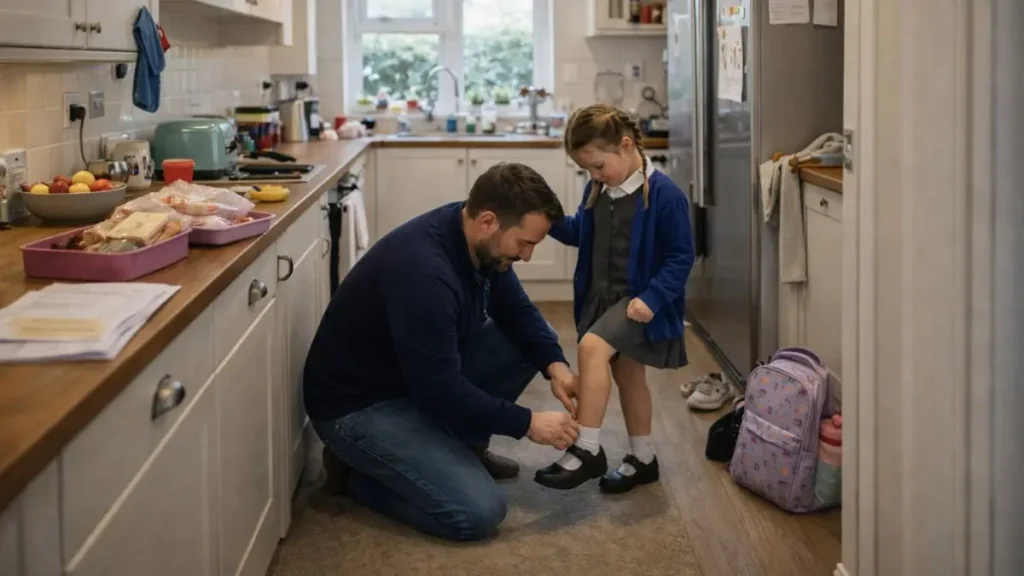
Calmer routines are often built from small, practical things rather than big changes, especially during everyday moments like rushed mornings or drawn-out bedtimes. Many parents find that a few simple everyday items can reduce friction, lower stress, and make daily life feel more manageable without adding extra effort or pressure.
Quick summary
Calmer routines rarely come from perfect planning. They tend to develop through small adjustments that make everyday moments easier. Some simple items can quietly support this by reducing pressure and helping things flow more smoothly:
- Visual timers can help children understand transitions without repeated reminders
- Night lights can reduce resistance around bedtime and night waking
- Water bottles and snack boxes can prevent small disruptions turning into bigger moments
- Simple storage (baskets or boxes) can make tidying quicker and less overwhelming
- Routine charts can gently guide expectations without constant verbal prompting
This article is for / not for
This article is for:
- Parents looking to make daily routines feel calmer and more manageable
- Families who find transitions (morning, bedtime, leaving the house) challenging
- Parents who prefer simple, practical solutions rather than complex systems
This article is not for:
- Situations involving significant behavioural concerns needing specialist support
- Parents looking for structured parenting programmes or formal strategies
This article may contain affiliate links. If you buy through them, we may earn a small commission at no extra cost to you.
A different way to think about calmer routines
If your routines often feel rushed or tense at certain points in the day, this may help reframe what is actually making them harder. It is easy to assume calmer routines come from having more time, more energy, or a better plan. That can make it feel like something big needs to change before things improve.
In reality, routines often shift in a quieter way. Many become easier not because everything is different, but because small points of friction are reduced over time.
These moments can be easy to miss. It might be searching for shoes when you are already late, repeating the same instruction several times, or small delays that slowly build pressure. Individually they seem minor, but together they shape how the whole routine feels.
When even one or two of these points are eased, the tone of the routine often changes. Things may not be perfect, but they can start to feel steadier without needing a complete overhaul.
Everyday items that can make a difference
These are optional, often low-cost tools rather than essentials, and the aim is to ease pressure, not add more to your list.
These items are not about buying more for the sake of it. They are simply tools some families find helpful for making everyday moments run more smoothly.
Instead of thinking in separate categories, it can help to see how these small items support different parts of the day.
Visual timers
Transitions are often where routines feel most difficult. Some children, including neurodivergent children, can find changes and unpredictability especially challenging. When they do not know what is coming next, it can feel uncertain or overwhelming, which may show up as resistance, frustration, or anxiety. Clear, visual cues can help reduce that uncertainty and make transitions feel more manageable.
Moving from play to getting dressed, or from screen time to bedtime, can lead to repeated reminders and growing resistance. Some parents find that a simple visual timer changes this dynamic. When children can see time passing, the shift feels more predictable and less like something being imposed on them.
Night lights
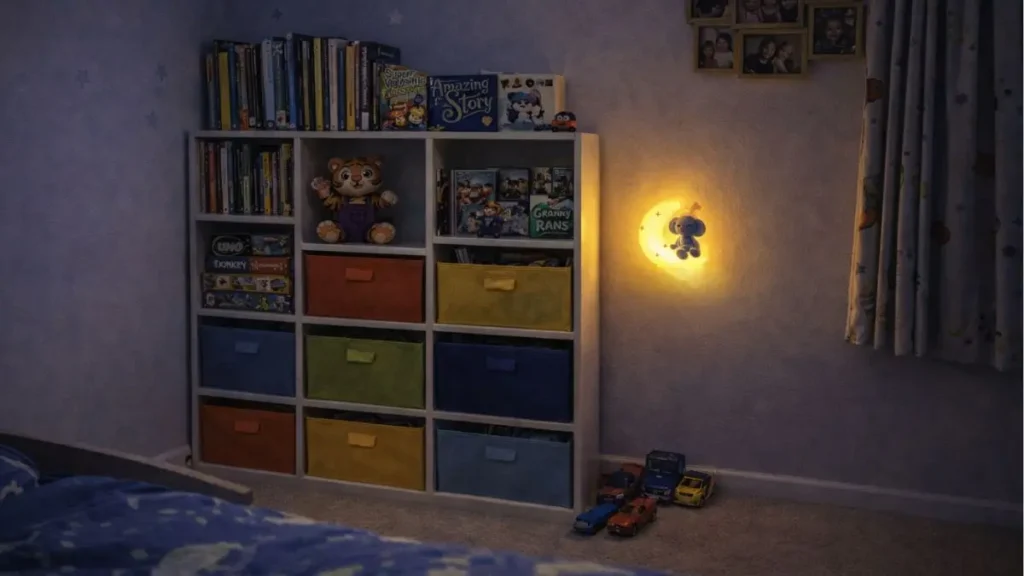
Bedtime can bring its own challenges, especially if a child feels unsure or unsettled in the dark. A soft night light does not remove every difficulty, but it can make the space feel more secure. That small shift in comfort can reduce repeated calls or delays and help the routine feel steadier.
We found it helped to use a smart lamp or bulb that can be adjusted from a phone or smart device. Being able to dim the light, change colour, or set it to turn off later in the night made it easier to match what was needed at different points in the routine. We also use a small night light on the landing, which helps reduce the sense of darkness outside the room and can make moving around at night feel less unsettling.
Water bottles and snack boxes
During busier parts of the day, small needs often interrupt the flow more than expected. A child suddenly feeling thirsty or hungry can slow everything down, particularly when leaving the house. Having a water bottle and a simple snack ready can prevent these small disruptions from turning into bigger moments.
Simple storage that is easy to use
Tidying and resetting between activities can also create friction. This can be as simple as using boxes or baskets you already have at home. When items do not have a clear place to go, it can quickly feel overwhelming. Simple storage baskets or boxes make expectations clearer and more achievable. Rather than aiming for perfect organisation, the focus becomes putting things away in a way that feels manageable for both parent and child.
We found that instead of trying to stack things neatly on a shelf, using a few coloured boxes worked better. Items just get put into the boxes rather than arranged perfectly. It is quicker, creates less resistance, and in practice ends up looking neater because everything has a simple, consistent place to go.
Routine charts
Some families also find that gentle visual prompts help reduce the need for repeated instructions. This does not need to be anything complicated. Some parents simply use a piece of paper or a whiteboard with a few key steps written down. A simple routine chart can support this, particularly during mornings or bedtime. It allows children to follow what comes next, which can help them feel more involved and reduce the pressure on parents to guide every step verbally.
A simple place to start
If you are not sure where to begin, it can help to focus on just one part of your day rather than trying to change everything at once. Most routines have one point that feels heavier than the rest, and that is often the best place to start.
You might notice it happens when leaving the house, during tidy-up time, or at bedtime. These moments often carry the most pressure because several small things are happening at once.
Instead of overhauling the whole routine, the aim is simply to ease that one moment. This could mean introducing a visual timer to make transitions clearer, preparing a snack in advance to avoid interruptions, or creating a more obvious place for everyday items so they are easier to find and put away.
When you focus on one small adjustment, it becomes easier to see what actually helps in your own routine. From there, changes can build naturally without adding extra pressure or complexity.
Why small changes often work best
It can feel like routines will only improve if something big changes, but that expectation often adds more pressure than it removes. In everyday family life, energy is limited and days are unpredictable, so large changes can be difficult to maintain.
What tends to work more reliably is a quieter shift. When one small part of the day becomes easier, the overall tone often changes with it. A smoother transition, less back-and-forth, or one less interruption can reduce the build-up of tension that usually makes routines feel hard.
Because these changes fit into what you are already doing, they do not demand much extra from you. They simply support your existing approach, making it easier to follow through.
Over time, those small shifts can add up. The routine may not be perfect, but it can begin to feel steadier and more manageable without needing everything to change at once.
Articles you may also find helpful
If you are noticing that certain parts of your routine feel harder than others, these articles explore why that might be and what can help next.
- Why routines help some children but not others — helps explain why structure works differently for each child, so you can better understand what fits your situation.
- Small wellbeing habits that make parenting feel easier — focuses on simple ways to support your own energy and mental space, which often makes routines feel more manageable.
What matters most
It is easy to feel like calmer routines depend on getting everything right, but in most families it unfolds more gradually than that.
The shift often begins with noticing one moment that feels harder than it needs to and gently easing it. When that moment becomes slightly smoother, it can influence everything around it. A calmer start to the morning, an easier transition, or a more settled bedtime can carry through the rest of the day in ways that are not always obvious at first.
Many parents find that this kind of change builds confidence over time. Not because everything is perfect, but because things feel a little more manageable and predictable.
What matters most is not doing everything differently, but allowing small adjustments to support the rhythm you are already building with your child.