
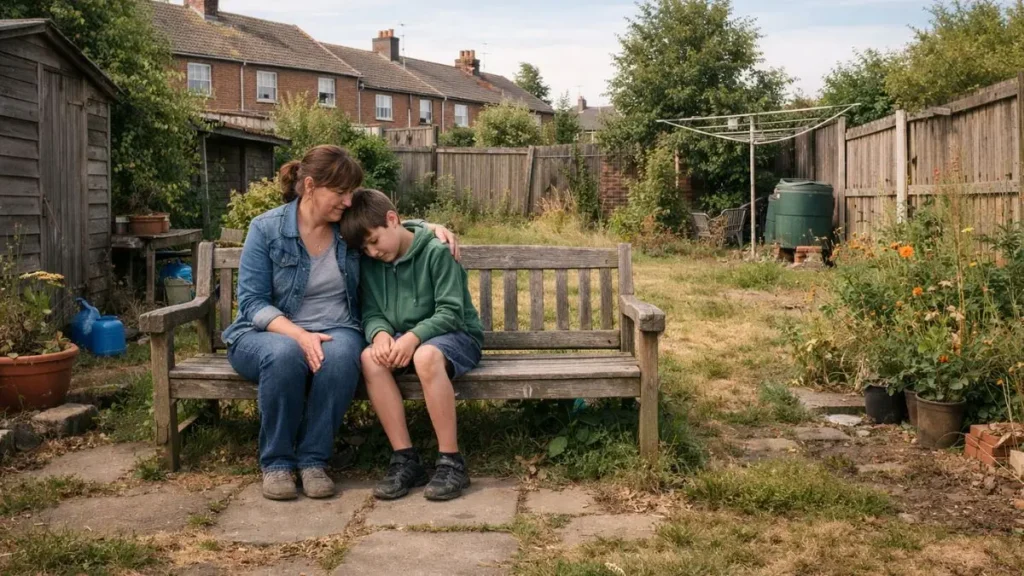
It can be surprisingly hard to know when to step in and when to step back. Many parents worry about overreacting, missing something important, or trying to fix what simply needs understanding. This article explores how to recognise when your child needs emotional support rather than solutions.
Quick summary
When a child needs emotional support, the signs are often subtle. They are less about behaviour being “bad” and more about something feeling overwhelming underneath:
- Big reactions to small things can signal emotional overload
- Withdrawal, irritability, or clinginess can be signs of stress
- Trying to fix too quickly can sometimes escalate the moment
- Calm presence often helps more than advice
- Patterns over time matter more than single incidents
This article is for / not for
This article is for:
- Parents unsure whether to intervene or give space
- Families noticing mood changes, shutdowns, or emotional intensity
- Parents who want to respond with reassurance rather than correction
This article is not for:
- Emergency mental health situations
- Diagnostic advice or treatment planning
- Situations where a child is at immediate risk
Medical disclaimer
This article is written from lived experience and research and is for general information and parental support only. It does not diagnose emotional or mental health conditions or provide medical or therapeutic instruction.
If you are concerned about your child’s emotional wellbeing or safety, speak to your GP or seek guidance from recognised UK organisations such as the NHS or Mind.

Emotional support is not the same as fixing
If you are worried about overreacting or stepping in too quickly, it can help to pause and ask whether the moment needs solving or simply understanding.
Many of us were taught to solve problems quickly. When a child cries, argues, or shuts down, it is natural to reach for solutions.
Emotional support, however, is often about helping a child feel understood before anything is solved. If behaviour feels bigger than the situation, that is usually a clue that something underneath needs attention.
Signs your child may need emotional support
Children do not usually say, “I need emotional support.” Instead, it tends to show up indirectly.
You might notice:
- Tears over something that would not normally bother them, especially after a long or demanding day
- Snapping, shouting, or unusual irritability
- Going quiet or withdrawing more than usual
- Becoming unusually clingy or seeking reassurance
- Seeming tired, flat, or overwhelmed without a clear reason
None of these automatically mean something is wrong. They can simply signal that your child’s emotional load is full.
When the urge to fix makes things worse
If a child is already overwhelmed, jumping straight to problem-solving can sometimes inflame the situation.
Advice and reflection both require calm thinking. When a nervous system is overloaded, those skills are temporarily out of reach. In those moments, emotional support often looks like reducing pressure rather than increasing it.
What emotional support can look like at home
Emotional support does not have to be dramatic or lengthy.
It might mean sitting nearby without asking too many questions. It might mean saying, “I can see this feels hard,” instead of explaining why it should not.
Sometimes it means adjusting expectations for a short while, lowering demands, or simply staying steady until the emotional wave passes. Over time, this steady presence helps children feel safe enough to regulate and recover.
Look for patterns, not one-off moments
It can be hard to know what counts as a pattern, especially when emotions vary from day to day.
All children have off days. What matters more is whether changes in mood, behaviour, or energy are consistent over time.
If you notice that your child seems regularly overwhelmed, frequently withdrawn, or persistently distressed, that may signal a deeper need for support. Trusting patterns rather than single incidents helps you respond proportionately.
When to seek extra support
Emotional support at home is powerful, but it is not always the whole picture.
It may be helpful to seek professional guidance if:
- Distress lasts several weeks
- School, sleep, or friendships are significantly affected
- Your child seems persistently low, anxious, or angry
- You feel unsure or out of your depth
Reaching out is not overreacting. It is a thoughtful next step.
If this resonated, you might also find these helpful
If you are exploring how to respond supportively at home, these articles build on similar themes:
- Emotional regulation for children: what actually helps at home – A practical look at how regulation develops and what steady support looks like in real life.
- What calm support for children looks like – A reassurance-led guide to what steady emotional support looks like in everyday family moments, especially when behaviour feels bigger than the situation.
- When your child struggles with school mornings – A closer look at how emotional overwhelm can show up at the start of the day, and how to respond with support rather than pressure.
For broader UK guidance on children’s emotional wellbeing, these organisations offer clear and balanced support:
What matters most
You do not need to analyse every mood or reaction. If something feels bigger, longer-lasting, or out of character, emotional support is rarely the wrong place to start.
Listening first, reducing pressure, and staying steady often give you more information than immediate fixing ever could. Children do not need perfect responses. They need to feel noticed and safe.
If you are paying close attention and responding with care, you are already doing something important.
FAQ
How do I know if I am overreacting?
If you are paying attention calmly and looking for patterns rather than jumping to conclusions, you are unlikely to be overreacting. Observing with curiosity is different from panicking.
What if my child refuses to talk?
Some children process internally. Emotional support can still be offered through presence, routine, and reduced pressure, even without a long conversation.