
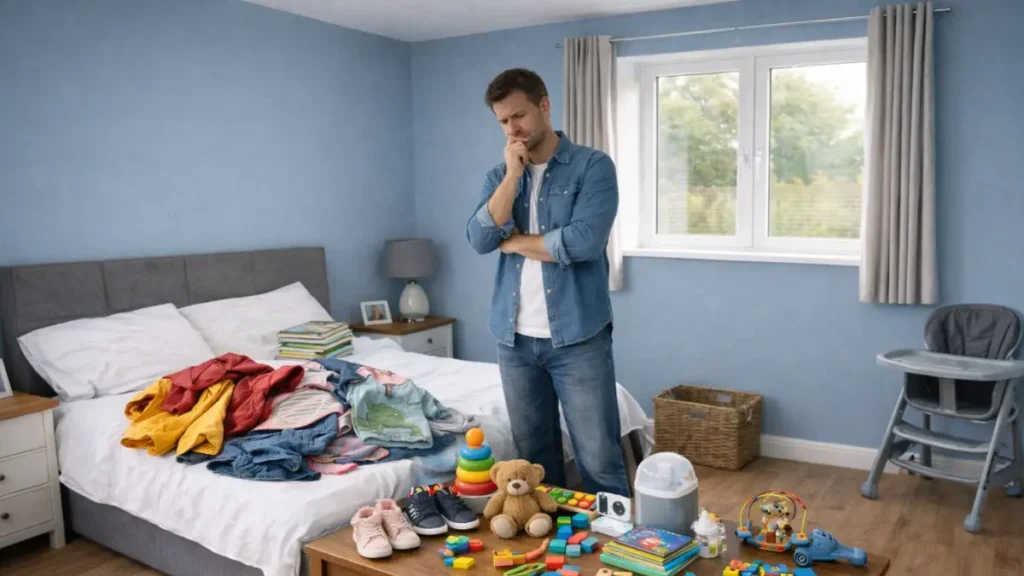
When you have a house full of baby things to clear, the hardest part is often knowing where to start. Some items sell quickly and easily, while others sit for weeks or are barely worth listing. This guide focuses on what actually sells, what tends to stall, and how to prioritise your time so you start with the easiest wins.
Quick summary
If you just want to decide quickly and get started, focus on this. These are the patterns we noticed in real life when selling pre-loved items, and they will help you avoid wasting time on items that are unlikely to move:
- Everyday baby clothes in bundles usually sell fastest
- Recognisable brands and nearly-new items attract more interest
- Practical, regularly used items tend to move quicker than niche ones
- Bulky items and low-value singles often sit unsold
- Starting with high-demand, low-effort items saves time and frustration
This article is for / not for
This article is for:
- Parents trying to clear baby items without wasting time
- Anyone unsure what is worth listing first
- People who want quick wins rather than maximum profit
This article is not for:
- Selling rare, collectible, or specialist items
- Running a resale business focused on profit margins
- Detailed platform-specific selling strategies
If this isn’t quite right for you
You might find these more helpful:
- The best place to sell baby items – helps you choose the right platform before you start listing
- Saving money tips for parents: 6 budgeting ideas – a broader look at managing money as a parent if you are thinking beyond just selling items
Or browse all our Money articles.
If this article feels relevant for you, read on.
What tends to sell fastest second-hand
The items that sell most easily tend to have three things in common. They are practical, easy to recognise at a glance, and priced in a way that feels like a clear win for the buyer.
If you want quick wins, these are the kinds of items that tend to move fastest:
- Bundles of everyday baby clothes in the same size
- Branded items in very good condition
- Simple, practical items parents use daily (such as sleepwear or coats)
Everyday baby clothes are usually the quickest to sell, especially when grouped into bundles by size. For example, bundles of 5–10 babygrows in the same size tend to feel like an easy, worthwhile buy. Parents often want simple, usable clothes without paying full price, and bundles save them time.
Branded items also tend to move faster. Familiar names give buyers more confidence, even if the item is used. Nearly-new pieces, or anything that still looks fresh, can attract attention quickly.
Practical items that parents use regularly, such as sleepwear, outerwear, or simple toys, are also more likely to sell. These feel like needs rather than extras, which makes buyers less hesitant.
What often sits unsold or brings very little
Some items look like they should sell but often end up sitting, or only attracting very low offers.
Single low-value items, especially unbranded basics, are a common example. Even if they are cheap, they can feel like too much effort for buyers once postage is added.
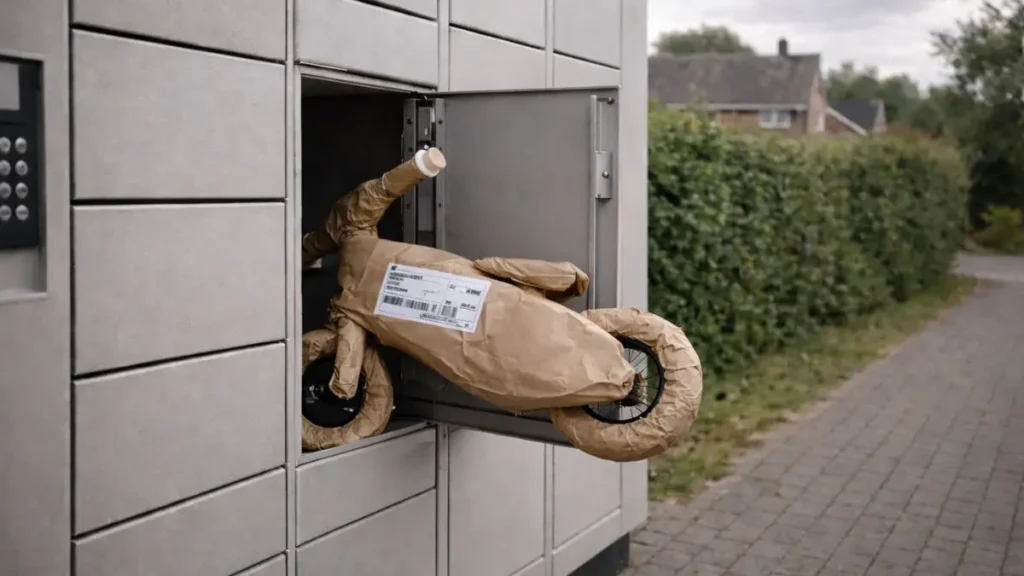
Bulky items, such as larger baby equipment, can also struggle online. From experience, anything roughly bigger than a shoebox starts to feel noticeably harder to sell. It is not just demand; the extra effort of packing, storing, and posting that quickly adds up. Even if the item has value, that extra friction often puts both buyers and sellers off.
More niche or optional items tend to sit as well, as buyers may not immediately see the need and simply scroll past.
In many cases, these are the items that end up being bundled, heavily reduced, or eventually donated.
It is also worth remembering that where you sell can make a difference. Some items that struggle online, especially larger ones, can be much easier to sell locally through places like Facebook Marketplace or in-person sales. If something feels like it should sell but is not, it is often the platform rather than the item.
What actually drives demand
A few simple factors tend to shape whether something sells quickly or not.
Size can make a difference. Common sizes that many parents are currently buying for tend to move faster than less common ones.
Brand plays a role, as familiar names often feel like a safer choice. Condition is just as important. Clean, well-presented items stand out more than anything that looks worn or unclear in photos.
Practicality is often the deciding factor. Items that solve a clear need are much easier to sell than ones that feel like an extra.
You will often notice that it is not just about what the item is, but how easy it is for a buyer to say yes to it.
This is why some items sell quickly even at higher prices, while others struggle even when they are cheap.
Demand can also be seasonal. For example, items like snowsuits may sell quickly going in to colder months, but sit for a while if listed out of season.
A simple way to decide what to list first
If you are looking at a pile of baby items and feeling unsure where to start, a simple prioritisation approach can help.
Start: items that are easy to photograph, easy to package, and likely to be in demand. These give you quick wins and build momentum.
Next: items that may take a little longer but still have clear value.
Leave: the lowest-value or most awkward items until last. By that point, you will have a better sense of whether they are worth listing at all.
This approach helps you avoid spending time on items that are unlikely to sell while you still have energy.
When it is not worth listing at all
There is a point where listing an item takes more time and effort than it gives back.
Very low-value items, heavily worn clothing, or things that require too much explanation often fall into this category.
If you find yourself hesitating, or repeatedly putting something off, it is often a sign that it is not worth listing.
In those cases, bundling, donating, or passing items on can be the easier option.
If you are deciding what to do next
If you are working through a clear-out, these can help you move forward without getting stuck:
- How to price second-hand baby items fairly – helps you set realistic prices quickly once you know what to list
- When donating baby items makes more sense than selling – helps you decide when it is not worth the effort
What to take away
The easiest wins usually come from everyday, practical items that feel like a clear deal to the buyer.
If you start with those, you are more likely to see quick results and keep going.
Trying to list everything equally often leads to frustration. Focusing on what is most likely to sell first makes the whole process feel simpler and more manageable.
FAQ
What baby items sell the quickest second-hand?
Everyday clothes, especially in bundles, and branded or nearly-new items tend to sell fastest.
What items are not worth selling?
Very low-value singles, heavily worn clothes, and bulky items that are difficult to post or collect.
Should I list everything or be selective?
Being selective usually saves time. Starting with high-demand items gives you quicker results.