
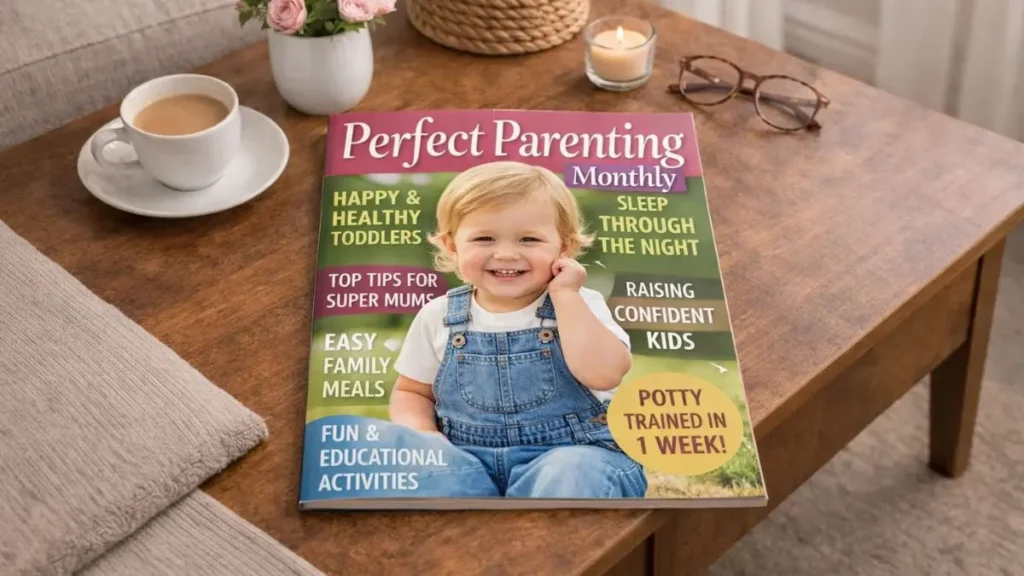
Many parents look for advice because they want to do a good job for their child. But sometimes the more advice you read, the more you start questioning your own judgement. If parenting advice has ever left you wondering whether you are getting things wrong, you are not the only one.
Quick summary
Parenting advice is meant to help, and generally it does. But when it arrives from too many places at once, it can start to undermine confidence instead of supporting it. A few common patterns often explain why this happens:
- Seeing many different parenting approaches can make parents question their own instincts
- Advice is often presented as if one method works for every child
- Social media can amplify strong opinions and criticism
- Tired parents are more likely to assume they are doing something wrong
- Confidence often returns when parents step back and refocus on their own child
This article is for / not for
This article is for:
- Parents who feel unsure after reading parenting advice
- Parents who feel like they are constantly second‑guessing themselves
- Families feeling pressure from advice online or from other parents
This article is not for:
- Situations involving safeguarding or serious safety concerns
- Parents seeking specific strategies for an urgent behavioural crisis
Medical disclaimer
This article discusses the emotional experience of parenting confidence and doubt. It is not intended to diagnose or treat any mental health condition. If parenting stress or anxiety is significantly affecting your wellbeing, it may help to speak with a GP or qualified professional. UK organisations such as the NHS and Family Lives can also offer guidance and support.

When advice slowly turns into self‑doubt
Most parents begin looking for advice with a simple goal. Something about parenting feels uncertain, and they want reassurance that they are on the right track.
At first, advice can feel helpful. A new idea might explain something about a child’s behaviour or offer a different way of responding.
But when advice keeps appearing from many different places, a subtle shift can happen.
Instead of helping parents feel more confident, it can start to make them question their own judgement.
A parent might read one article suggesting they should respond calmly in a certain situation. Another might recommend a different approach entirely. Social media might add strong opinions about what “good parenting” should look like.
Slowly, a quiet thought can start to grow:
Am I doing this the right way?
We found this happened to us a few times as well, especially after attending parenting classes or reading advice in groups or online. The difficulty is that all children are different. There are many small variables in family life that mean generic advice does not always fit every child or every household.
Why good parents often doubt themselves
A common moment looks something like this: bedtime did not go smoothly, a child was upset, and later that evening a parent reads an article explaining how that situation “should” have been handled. It is easy in that moment to replay the situation and wonder whether they did something wrong.
Interestingly, the parents most likely to doubt themselves are often the ones who care deeply about doing well. When they read large amounts of parenting advice, they can begin to treat everyday decisions as if each one must be done perfectly.
Parents who reflect on their choices, read advice, and try to understand their child’s needs are already paying close attention.
But constant exposure to advice can create the impression that there is always a better method waiting to be discovered.
When that happens, parents may begin to treat everyday decisions as if they are tests that must be passed perfectly.
In reality, parenting rarely works like that.
Children grow through thousands of small interactions with their parents. Warmth, patience, repair after difficult moments, and everyday connection matter far more than following a specific parenting technique perfectly.
The comparison trap
Advice can also create a quiet form of comparison.
When parents read about other families, especially online, they often see simplified versions of parenting. Calm conversations, tidy routines, and thoughtful responses appear easy on the surface.
Real life rarely looks that smooth.
Most parents are juggling tiredness, work, housework, emotional stress, and a child’s changing needs all at once.
When advice does not acknowledge that reality, parents may assume the problem lies with them.
In truth, the gap often comes from how parenting is presented rather than how families actually live.
Returning to your own understanding of your child
One helpful way to regain confidence is to shift attention back to your own child.
General parenting advice can offer ideas, but it can never fully replace the understanding parents build through everyday life with their child.
Articles and books talk about patterns across many families. But every child has their own temperament, sensitivities, and ways of responding to the world.
Parents often begin to feel steadier again when they give more weight to their own observations.
For example, noticing:
- what helps your child calm down
- when your child is most tired or overwhelmed
- what makes them feel safe and understood
These everyday observations quietly build the most reliable understanding of all.
Advice can still offer ideas, but it does not need to override what you are already learning through experience.
Related reading
If parenting doubt or pressure has been creeping in, these articles may help put some of those feelings into perspective:
- When parenting feels harder than you expected explores why many parents quietly struggle with the realities of family life.
- Why comparison parenting makes everything harder looks at how comparing ourselves with other families can increase pressure.
External links
If parenting stress or self‑doubt is affecting your wellbeing, these UK organisations offer trusted support and guidance:
- Anna Freud Centre: self‑care for parents and carers (family wellbeing guidance)
- Family Lives parenting helpline and support services
What matters most
Parenting advice should support parents, not make them feel smaller or less capable.
If advice leaves you doubting yourself, it may simply mean there is too much of it in your life right now.
Stepping back from advice for a while can sometimes restore clarity. Watching your child, noticing what helps them feel safe, and allowing your parenting to grow through experience often rebuilds confidence naturally.
Your relationship with your child develops day by day.
Most parents care far more about their children than they often give themselves credit for.
No article can replace the understanding that grows from being their parent.