
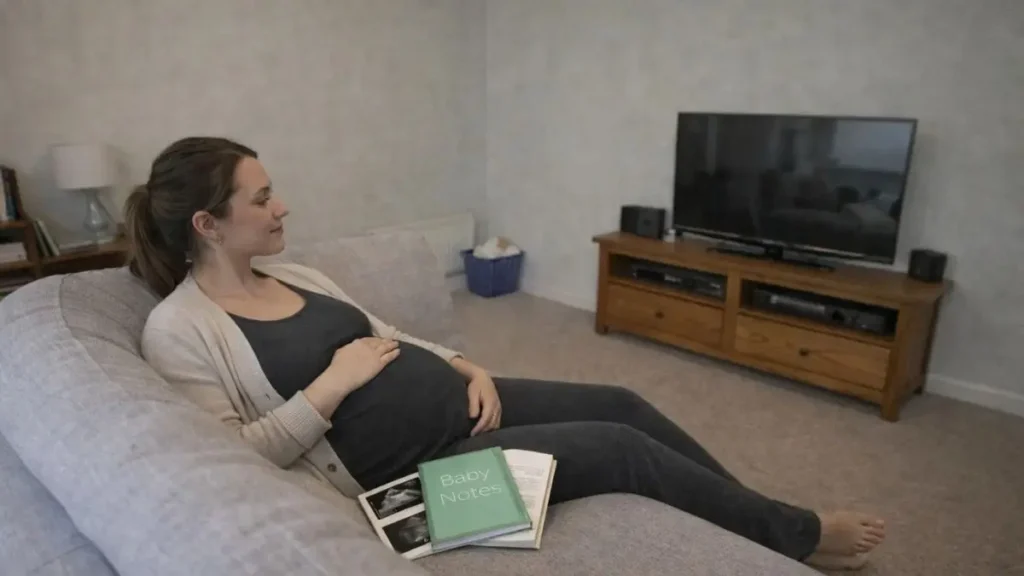
Pregnancy is often talked about in terms of symptoms, scans, and what to buy before the baby arrives. What gets far less attention is how emotionally strange, intense, and vulnerable it can feel while you are living through it. If pregnancy has left you feeling more sensitive, more worried, more reflective, or simply not quite like yourself, that does not make you ungrateful or weak.
Quick summary
Pregnancy emotions can catch people off guard because they are often quiet rather than dramatic. They tend to appear in small, everyday moments that are easy to question or dismiss:
- Pregnancy can bring mixed emotions, not just excitement
- Worry, tears, irritability, and emotional sensitivity can all be part of the experience
- The emotional side of pregnancy is not only about hormones but also about change, pressure, and uncertainty
- Feeling emotionally different does not mean you are doing pregnancy badly
- If low mood or anxiety feels persistent or hard to manage, it is worth speaking to a midwife or GP
- Partners can also play an important role by offering reassurance, patience, and everyday support
This article is for
- Pregnant parents who feel more emotional than expected
- Anyone wondering whether mixed feelings in pregnancy are normal
- Parents who want reassurance without being talked down to
This article is not for
- Diagnosing anxiety, depression, or any other mental health condition
- Replacing support from a GP, midwife, or maternity team
- Emergency mental health help
Medical disclaimer
This article is for reassurance and general awareness only. It is not medical advice, diagnosis, or treatment. If you are struggling with persistent low mood, anxiety, panic, or intrusive thoughts during pregnancy, speak to your midwife, GP, or maternity team. For trusted UK guidance, the NHS has information on mental health in pregnancy, and Tommy’s also has pregnancy wellbeing support.
If this isn’t quite right for you
You might find these more helpful:
- Birth Plan: What is a birth plan and what should be in it?
- A Real story: Our experience of Group B strep
Or browse all our pregnancy articles.
If this article feels relevant for you, read on.
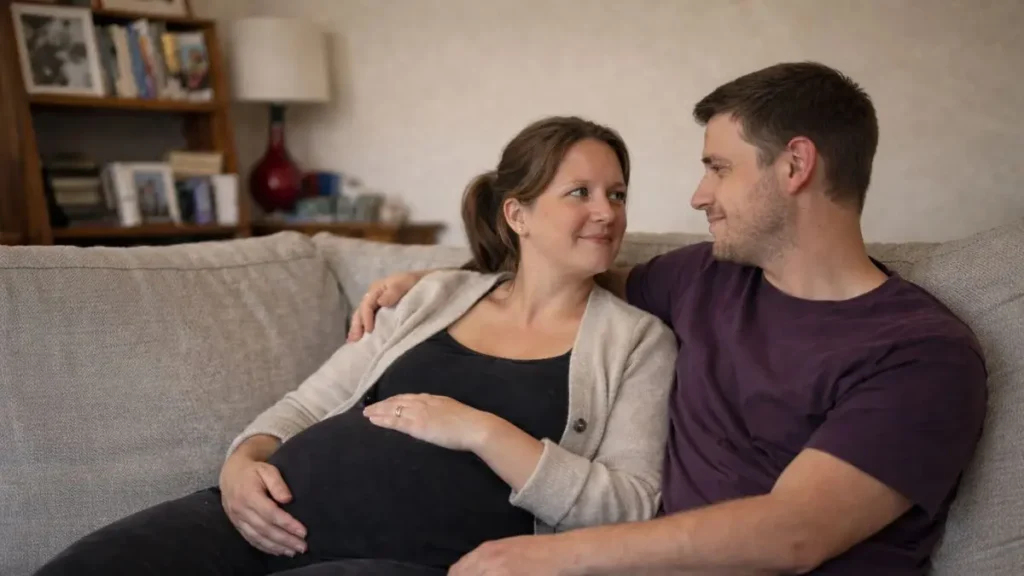
The emotional side of pregnancy no one prepares you for
A lot of pregnancy advice focuses on practical preparation. There are lists of things to buy, appointments to attend, and plans to make before the baby arrives.
But for many parents, one of the biggest surprises is not the to‑do list. It is the emotional shift happening quietly underneath everything.
You might feel more protective, more tearful, more easily overwhelmed, or more thoughtful about the future. You might notice worries that were never there before. You might feel excited one moment and unsettled the next.
That can be confusing, especially when so much pregnancy content is framed as either glowing happiness or obvious distress. Real life usually sits somewhere in the middle.
Why pregnancy can feel emotionally bigger than expected
Hormones are part of the picture, but they are not the whole story.
Pregnancy can make life feel emotionally bigger because so much is changing at once. Your body is changing. Your routines may be changing. Your sense of identity may be changing too.
Even when a pregnancy is wanted and loved, there can still be a quiet sense of instability. You are moving towards something huge, but you are not there yet. That in‑between space can feel emotionally unsettled.
A thought that may have barely touched you before can suddenly feel heavier. A casual comment from someone else can stay with you all day. A happy milestone can arrive with fear sitting right beside it.
That does not mean anything is wrong. It often means the experience matters deeply.
Mixed feelings are more common than people say
One of the harder parts of pregnancy is the pressure to feel the “right” emotions.
There can be an unspoken expectation that you should feel grateful, excited, and glowing. That expectation can make normal emotional ups and downs feel like something you need to hide.
In reality, pregnancy can hold many different feelings at the same time. Relief, happiness, fear, guilt, tenderness, uncertainty, and exhaustion can all exist together.
You can feel deeply attached to your baby and still feel scared about birth. You can feel grateful and still find pregnancy difficult. You can want this baby and still feel emotionally stretched.
Those feelings do not cancel each other out.
The quieter emotional changes people often notice
Sometimes the emotional side of pregnancy is not a dramatic breakdown. Instead, it can be a gradual shift that quietly changes how everyday life feels. Things that once felt manageable may suddenly feel heavier, and small moments can carry more emotional weight than they used to.
Parents often notice things like:
- feeling more sensitive to noise, stress, or other people’s opinions
- worrying more about health, safety, or whether everything is okay
- becoming more reflective about childhood, family, or the kind of parent they want to be
- feeling guilty for not enjoying pregnancy the way they expected to
- needing more space, rest, or reassurance than usual
These reactions are often not random. They can be part of the mind adjusting to responsibility, uncertainty, and a major life transition.
Why pregnancy can stir up old feelings too
Pregnancy does not only bring thoughts about the baby. It can also bring thoughts about you.
Some parents find themselves thinking more about their own childhood, family relationships, or past experiences. That can be comforting, upsetting, or a mixture of both.
You may start noticing patterns you want to keep and patterns you want to handle differently. You may feel closer to some people and less patient with others. You may also become more aware of how much support you do or do not have around you.
That can be emotionally tiring in itself.
When reassurance helps and when support matters more
Many emotional changes during pregnancy are common and understandable. But common does not mean you have to simply push through if you are struggling.
It is worth taking your feelings seriously if you feel low most of the time, anxious in a way that is hard to switch off, panicky, emotionally numb, or unable to enjoy much at all. The same applies if intrusive or frightening thoughts keep returning.
Talking to a midwife or GP does not mean you are overreacting. It means you are recognising that something feels difficult and that you deserve support with it.
Pregnancy care should include emotional wellbeing, not just physical checks.
Small things that can make the emotional side feel lighter
Some parents notice that small adjustments during the day make the emotional load feel a little lighter.
There is not a perfect fix for pregnancy emotions, and not every suggestion helps every parent. But small habits can sometimes make the day feel more manageable.
It may help to reduce how much overwhelming advice you consume, especially if every article, video, or forum leaves you feeling worse. It may help to say out loud what is actually bothering you rather than trying to tidy it up first.
Some parents also find it helpful to:
- take short walks or get outside for a change of pace
- rest more without treating that as failure
- ask for reassurance sooner instead of sitting with spiralling thoughts
- keep a few simple grounding routines when everything else feels in flux
Often the goal is not to feel positive all the time. It is simply to feel a little more supported during a demanding season of life.
A note for partners
If you are reading this as a partner, it can sometimes feel confusing to watch someone you care about go through emotional changes that do not always seem to have a clear reason.
Pregnancy is not only a physical experience. It is also a huge emotional adjustment. Many pregnant parents feel more vulnerable, more sensitive, or more easily overwhelmed than they expected, even when the pregnancy is wanted and positive.
One of the most helpful things a partner can offer is calm reassurance rather than solutions. Listening, checking in, and helping reduce everyday stress can make a bigger difference than trying to fix how someone feels.
Simple things often matter most: patience, small acts of support, and reminding your partner that what they are experiencing is normal. Feeling understood can ease a lot of the emotional pressure that pregnancy can bring.
More pregnancy support and guidance
If you want to stay in the pregnancy section, these articles may help with the practical side alongside the emotional side:
- Preparing for a baby, all you need to know A broader starting point if everything feels a bit big and you want one place to begin.
- The 6 things to do, to prepare for the birth of your child Useful if your emotions are being fuelled by feeling unprepared for what is coming next.
If you want trusted UK support beyond our articles, these external sources are worth keeping handy:
- NHS: Best start in life – emotional changes in pregnancy
- NHS: Find care for your mental health before, during and after pregnancy
- Tommy’s: Emotional changes in pregnancy
What matters most
The emotional side of pregnancy is easy to underestimate until you are in it.
You do not need to be in crisis for your feelings to count. Pregnancy can feel emotionally intense simply because it is a major physical, mental, and life change.
If you have felt more vulnerable, more sensitive, or more emotionally unsettled than you expected, that does not mean you are failing. In many cases, it means you are going through something big and deeply human.
Sometimes the most helpful shift is not trying to feel differently straight away. It is recognising that what you are feeling deserves understanding and support. Emotional changes like these are a common part of the transition into becoming a parent.
FAQ
Do pregnancy hormones really affect emotions?
They can, yes. But emotions in pregnancy are not only about hormones. Big life changes, uncertainty, tiredness, physical symptoms, and personal history can all shape how pregnancy feels emotionally.
Is it normal to feel happy and anxious at the same time in pregnancy?
Yes. Mixed feelings are very common in pregnancy. Feeling anxious does not cancel out happiness, and feeling grateful does not mean everything feels easy.
When should I speak to someone about how I feel in pregnancy?
Speak to a midwife or GP if you feel low, anxious, panicky, numb, or overwhelmed for more than a short period, or if your feelings are affecting daily life, sleep, eating, or relationships.