
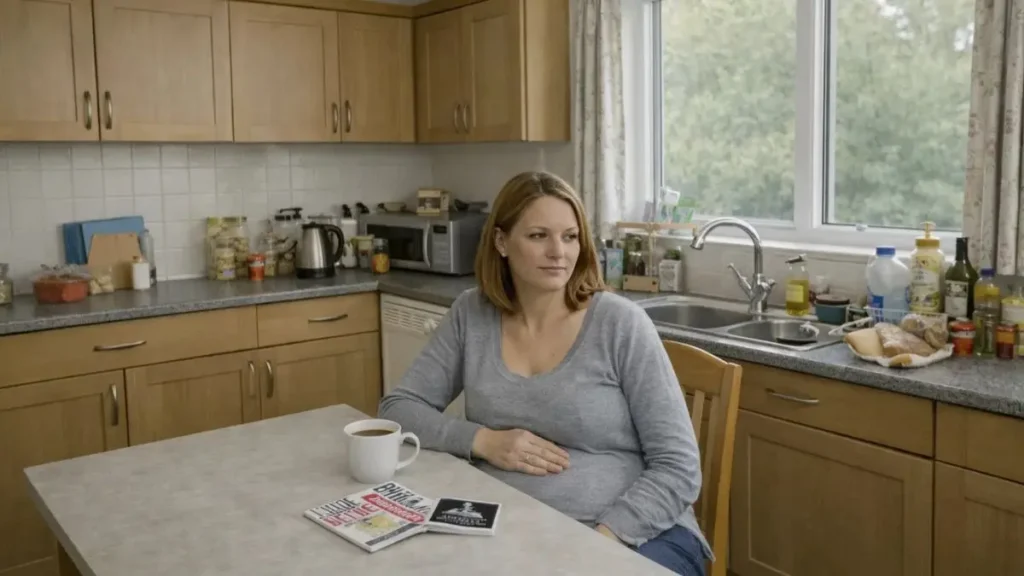
Pregnancy is often described as a time of instant love and connection with a baby who has not yet arrived. But for some parents the experience can feel very different. Instead of excitement or attachment, they may feel distant, numb, or emotionally flat. If you have noticed that sense of detachment, it can feel unsettling and sometimes even bring guilt or worry. In reality, emotional distance during pregnancy is more common than many people realise.
Quick summary
Feeling detached during pregnancy can happen for many different reasons. In many cases it is a temporary emotional response rather than a sign that something is wrong:
- Some parents do not feel a strong connection to the baby until later in pregnancy or even after birth
- Emotional numbness can appear when the mind is adjusting to a big life change
- Stress, anxiety, exhaustion, or uncertainty can create emotional distance
- Focusing on practical preparation can sometimes be the brain’s way of coping with change
- Detachment does not mean someone will not love or care for their baby
- Persistent numbness, sadness, or anxiety may be worth discussing with a midwife or GP
This article is for
- Pregnant parents who feel emotionally detached or disconnected
- Anyone worried they are not bonding with their baby during pregnancy
- Partners who feel unsure or emotionally distant from the pregnancy
- Parents looking for reassurance about emotional changes
This article is not for
- Diagnosing depression, anxiety, or other mental health conditions
- Replacing advice from a GP, midwife, or maternity team
- Emergency mental health support
Medical disclaimer
This article is for general awareness and reassurance only. It is not medical advice. If emotional detachment is persistent, distressing, or affecting daily life, speak to your midwife, GP, or maternity team for support.
If this isn’t quite right for you
You might find this helpful instead:
- A Real story: Our experience of Group B strep
- Birth Plan: What is a birth plan and what should be in it?
Or browse all our pregnancy articles.
Why some parents feel detached during pregnancy
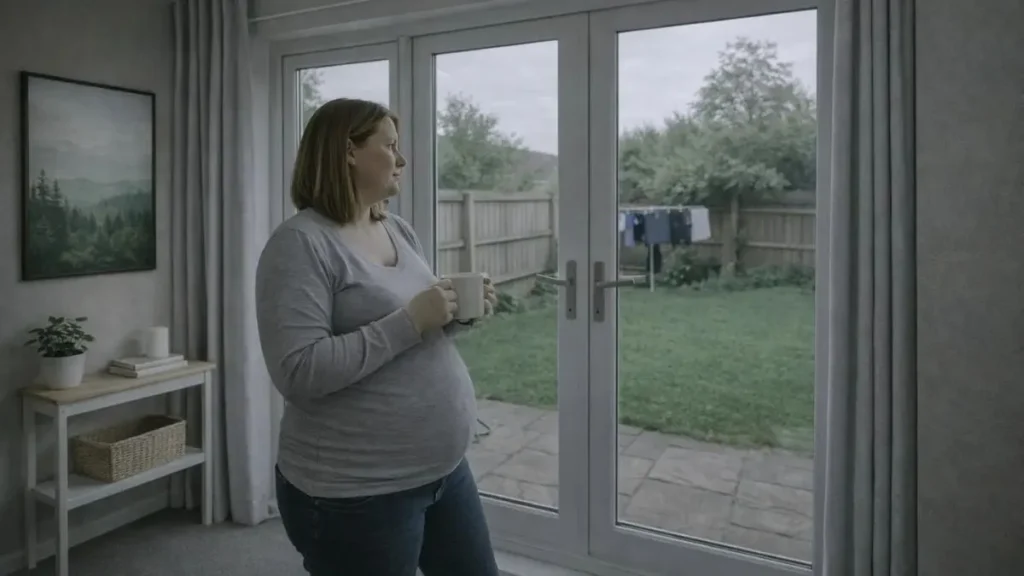
Understanding why detachment happens can make the experience feel less worrying.
Pregnancy can bring enormous change in a relatively short period of time. Physical changes, medical appointments, planning for birth, and thinking about the future can all arrive at once.
For some people the mind responds to that change with strong emotions. For others it does something different. Instead of feeling more emotional, they may feel less.
That sense of emotional distance can feel confusing because pregnancy is often presented as a time of instant bonding. When reality does not match that expectation, parents may wonder whether something is wrong with them.
In many cases, the mind is simply processing a major life transition in its own way. Sometimes the brain quietly goes into a kind of emotional “pause” while it tries to adjust to what is happening.
The thoughts many parents don’t say out loud
When people talk about detachment during pregnancy, they often describe symptoms. But what tends to worry parents most are the private thoughts they are almost afraid to say out loud.
Some of the most common thoughts sound like this:
- “Why don’t I feel more excited?”
- “Everyone else seems happier about this than I do.”
- “What if something is wrong with me?”
- “What if I never feel connected?”
These thoughts can feel frightening because pregnancy is often portrayed as a time of constant joy. When your experience feels different, it can create the sense that you are the only one going through it.
You are not.
When parents share these feelings openly, they often discover that many other people have had the same thoughts at some point during pregnancy.
Some parents quietly wonder whether they are already failing at parenthood. Others worry that the absence of strong feelings means they will not bond with their baby. Some feel pressure because friends, family, or social media make pregnancy look magical all the time.
These thoughts can feel uncomfortable or even frightening. But they are often part of the mind trying to process a huge change.
Connection does not always happen straight away
Bonding with a baby is often described as something that happens immediately. In reality, connection often develops gradually.
Some parents start feeling attached early in pregnancy. Others begin to feel a stronger connection when the baby starts moving regularly. For some, the bond becomes clearer after birth when the baby is physically present and daily care begins.
None of these experiences are unusual.
Pregnancy can also feel abstract at times. You may know intellectually that a baby is coming while still finding it difficult to emotionally imagine the reality of it. For some parents, the emotional connection grows slowly as the pregnancy becomes more real over time.
Why focusing on practical tasks can actually help
Many parents notice that when they feel detached, they start focusing more on practical preparation. They organise baby clothes, research prams, build furniture, or plan the nursery.
This is sometimes interpreted as avoidance. But in reality, practical preparation can be a very normal way for the mind to adapt.
Building the cot, choosing a car seat, setting up the pram, or washing baby clothes can be a quiet form of bonding. It may not feel emotional or magical in the moment, but these actions still represent care and preparation for the baby’s arrival.
For some parents, attachment develops through doing rather than feeling.
A note for partners
Emotional detachment during pregnancy does not only affect the pregnant mother. Partners can experience it too.
Non‑birthing partners sometimes describe feeling like observers rather than participants. The pregnancy is happening to someone else’s body, which can make it harder to feel emotionally connected at first.
Some partners worry that they should feel more excited or protective already. Others focus on practical responsibilities instead of emotional ones.
This experience is also common. For many partners, the emotional connection grows later as the pregnancy becomes more visible or after the baby arrives.
When detachment might need more support
Occasional emotional distance is not unusual. However, if the feeling becomes persistent or begins to affect everyday life, it can help to speak to someone.
It may be worth reaching out to a midwife or GP if emotional numbness continues for several weeks or most of the pregnancy, if low mood becomes more noticeable, or if anxiety becomes difficult to switch off. Support may also help if you begin to feel disconnected from most areas of life rather than just the pregnancy, or if sleep, appetite, or everyday functioning become harder to manage.
Pregnancy care includes emotional wellbeing as well as physical health. Talking about how you feel can be an important step towards support.
Small ways to reconnect with the experience
Connection does not always appear suddenly. Sometimes it develops slowly through small everyday moments.
For some parents that might mean noticing the baby’s movements, talking to the baby, or imagining small parts of daily life after birth. For others it might look more practical, such as organising the nursery, washing baby clothes, or building furniture.
Both emotional and practical preparation can help the experience feel more real.
Often the goal is not to create instant attachment. Instead, it is simply to allow the experience to unfold naturally over time.
More pregnancy support and guidance
If you want to explore this part of pregnancy a little further, the following guides expand on both the emotional and practical sides of preparing for a baby.
- The emotional side of pregnancy no one prepares you for: Explores the wider emotional landscape of pregnancy and why many parents experience feelings that do not match the picture often shown online.
- Preparing for a baby, all you need to know: A practical hub that brings together the key things many parents start thinking about before birth. You can dip into the sections gradually rather than trying to prepare for everything at once.
If you want trusted UK support beyond our articles, these sources are worth keeping handy:
What matters most
Feeling detached during pregnancy can feel worrying, especially when it clashes with the way pregnancy is often portrayed.
But emotional experiences during pregnancy vary widely. Some parents feel intense connection early on, while others feel uncertain or distant for a while before that bond gradually develops.
Emotional responses during pregnancy do not predict the strength of the future parent-child relationship. What matters most is whether parents have the support they need while they adjust to such a significant life change.
For many people, the connection with their child grows slowly through everyday moments rather than appearing all at once.
FAQ
Is it normal to feel emotionally detached during pregnancy?
Yes. Some parents feel emotionally distant or unsure during pregnancy, especially in the early stages. This does not mean they will not bond with their baby.
Does feeling detached mean I will struggle to love my baby?
Not necessarily. Attachment often develops gradually, sometimes after birth when the baby is physically present.
When should I speak to someone about feeling detached?
If emotional numbness, anxiety, or low mood feels persistent or begins affecting daily life, it is worth speaking to a midwife or GP.