
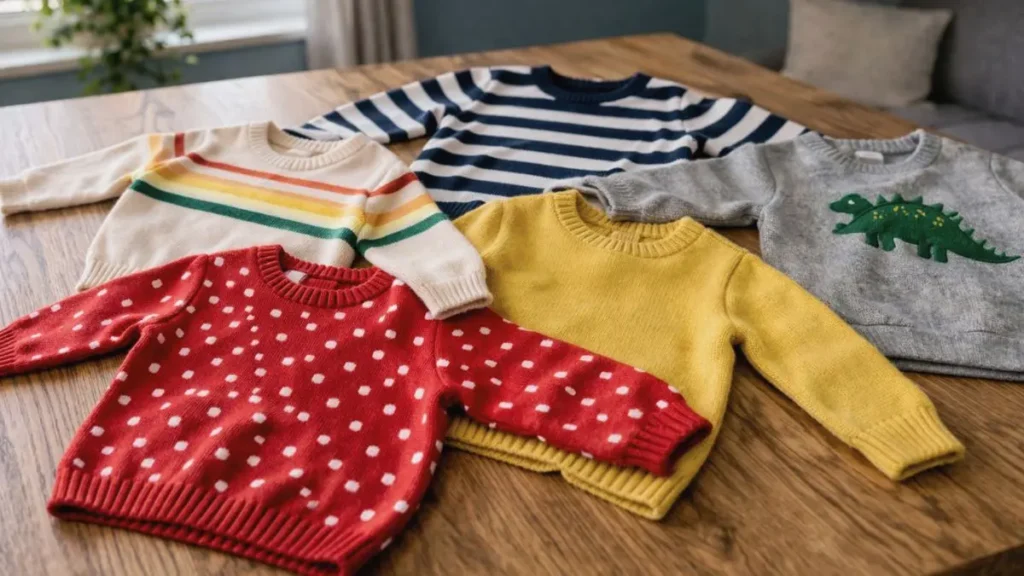
When you have a pile of outgrown baby clothes, listing everything one by one quickly becomes overwhelming. Bundling can make the whole process faster, simpler, and more likely to lead to a sale. This guide focuses on how to group clothes in a way that actually works for busy parents, without turning it into a complicated system.
Quick summary
If you want a simple way to turn a pile of clothes into something sellable, this is what we found works best in practice:
- Bundle by size first to make it easy for buyers to say yes
- Keep bundles practical and consistent (same type or similar items)
- Aim for value rather than perfection
- Price bundles slightly below the total of individual items
- Avoid overcomplicating photos or descriptions
This article is for / not for
This article is for:
- Parents with piles of baby clothes to clear
- Anyone who finds listing items individually too slow
- People who want quick, realistic sales rather than maximum profit
This article is not for:
- Running a resale business or flipping for profit
- Selling rare or high-value individual items
- Detailed platform-specific selling strategies
If this isn’t quite right for you
You might find these more helpful:
- The best place to sell baby items – helps you decide where to list your bundles
- Saving money tips for parents: 6 budgeting ideas – a broader look at managing money alongside selling
Or browse all our Money articles.
If this article feels relevant for you, read on.
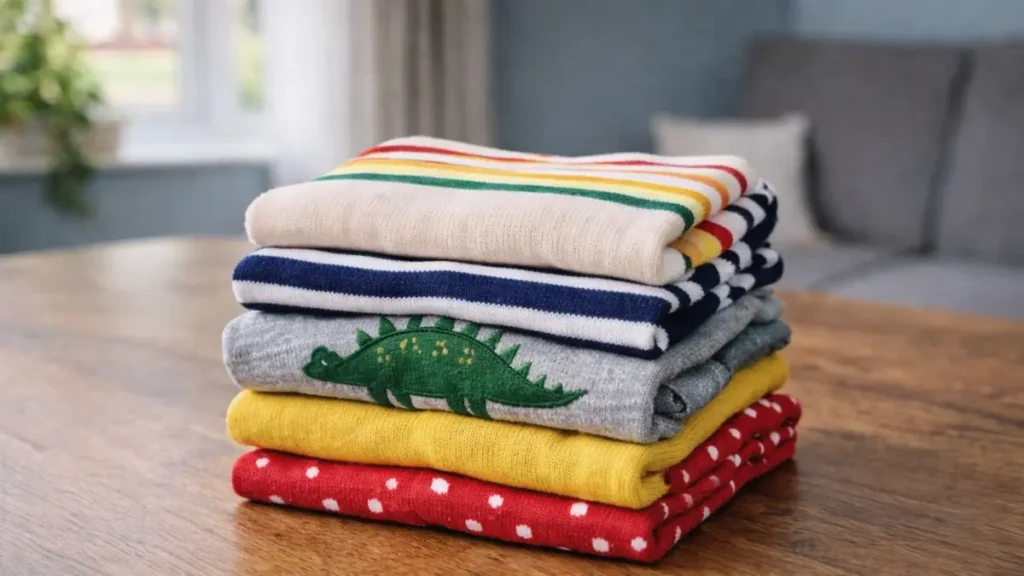
Why bundles usually work better than individual listings
Listing baby clothes one at a time often looks like it will make more money, but in reality it tends to slow everything down. Each item needs photos, a description, and separate packing. For lower-value clothes, that effort rarely feels worth it.
Bundles reduce that friction. For example, instead of creating 5 separate listings, you can turn the same items into one simple bundle. For buyers, it also feels like a better deal. They get multiple items in one go, which saves them time and often reduces postage costs.
In practice, this is why bundles tend to sell faster even if the total price is slightly lower.
Simple ways to group baby clothes
The goal is not to create perfect bundles. It is to make something that feels clear at a glance and useful for the buyer.
The most reliable starting point is size. Keeping everything in the same size removes guesswork and makes the bundle immediately relevant.
From there, you can keep things simple by grouping in a way that feels natural. Most parents end up doing some version of this without really thinking about it:
- Same size and similar type (for example, babygrows together)
- Same size and mixed everyday wear (a practical “starter set” feel)
- Same brand if you have enough items
What matters most is that the bundle feels consistent. If a buyer can glance at it and quickly understand what they are getting, it is much more likely to sell.
When bundles work best
Bundles tend to work best for everyday items where the individual value is low but the combined value feels worthwhile.
This includes things like basic clothing, sleepwear, and frequently used items. These are the pieces parents often need more of, and they are less concerned about picking specific items.
Bundles are also useful when you simply want things gone without dragging the process out.
If an item is higher value or more specific, it can still be worth listing individually. The key is matching the effort to the likely return.
Common mistakes that slow bundles down
Some bundles look fine at first but do not sell because they create small points of friction for the buyer.
One common mistake is mixing sizes. Even a small difference can make the bundle less appealing, as parents are usually shopping for a specific stage.
Another is including too much variety. A bundle that mixes completely different types of clothing can feel less useful than one that solves a clear need.
Overpricing is another issue. If the bundle feels too close to buying items individually, buyers are more likely to scroll past.
Finally, overthinking the presentation can slow you down. Spending too long trying to make bundles perfect often delays listing altogether.
A simple way to price bundles
Pricing does not need to be complicated. A simple approach tends to work best.
Start by estimating what the items might sell for individually. Then reduce that total slightly so the bundle feels like a clear deal.
A useful rule of thumb is to take around 20 percent off the combined value. For example, if the items would total around £20 individually, listing the bundle at £15–£16 often feels like a clear deal. This gives buyers a reason to choose the bundle while still making it worthwhile for you.
You can always adjust the price later if needed, but starting with something sensible helps avoid second-guessing.
Keeping photos quick and effective
Photos are important, but they do not need to be complicated.
Lay the clothes out clearly so buyers can see what they are getting. A simple flat layout on a bed or floor works well.
Make sure the items look clean and visible, and avoid clutter around them. The goal is clarity, not perfection.
One clear photo of the full bundle is often more effective than lots of separate images.
It can also help to place the best-looking or most recognisable item at the front of the bundle or top of the photo, as this is often what catches attention first when someone is scrolling.
What to do if bundles are not selling
If a bundle is not getting interest, it is a sign that something feels slightly off rather than completely wrong.
You might need to adjust the price, simplify the bundle, or regroup the items slightly.
Sometimes breaking a bundle into two smaller ones can help, especially if it feels too large or unfocused.
If something still does not sell after a few adjustments, it may not be worth pushing further. Donating or passing items on can be the easier option.
Where to go next
If you want to keep things moving without overthinking the next step, these can help depending on where you are in the process and what you need next:
- Selling baby items on Vinted: what works and what does not – useful once your bundles are ready, as it shows what tends to get interest on Vinted and what often gets ignored, so you can avoid relisting or second-guessing.
- What baby items sell best second-hand – helps you decide which clothes are worth bundling first, especially if you are staring at a mixed pile and not sure where to start.
- How to price second-hand baby items fairly – gives you a quick, realistic way to price your bundles so they feel like a deal without underselling them.
What to take away
Bundling works because it reduces effort for you and makes decisions easier for the buyer.
You do not need a perfect system. You just need bundles that feel clear, practical, and fairly priced.
Starting simple and adjusting as you go is usually enough to turn a pile of clothes into something that actually sells.
FAQ
How many items should be in a bundle?
There is no fixed number, but in practice bundles of around 5 to 10 items tend to feel like a good balance. They are big enough to offer value, but still simple for buyers to look through and say yes to.
Should I wash clothes before bundling?
Clean, fresh items are more appealing and help build trust with buyers. Even one visibly stained item can put buyers off the whole bundle, so it is usually better to leave it out or mention it clearly.
Is it better to bundle or sell individually?
For most everyday baby clothes, bundling is quicker and more practical. If you have a branded piece in great condition or something that is nearly new, it can still be worth listing that item on its own.