
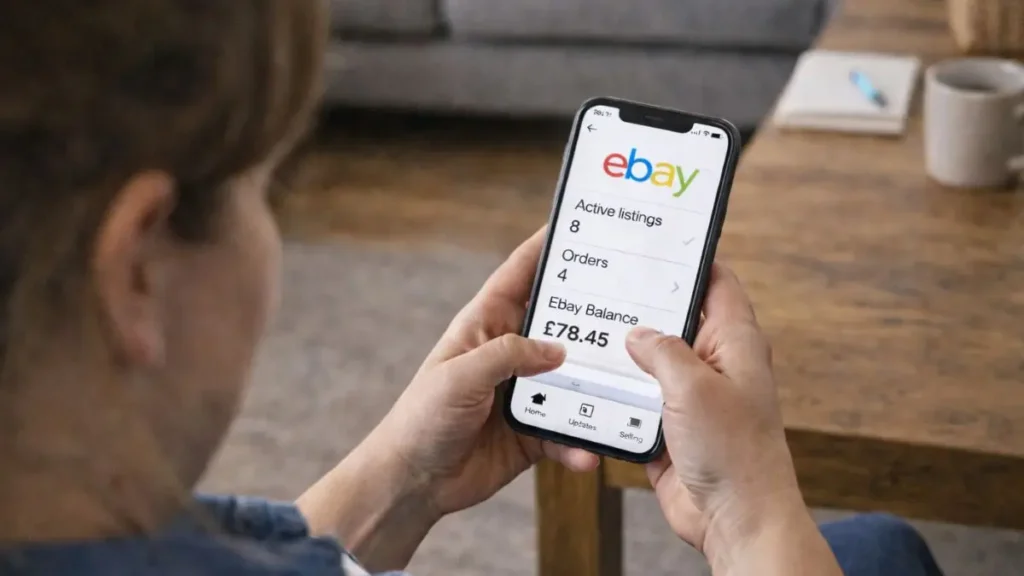
eBay can sometimes feel like the obvious place to sell baby items, especially if something feels valuable. For many parents it is quick and straightforward to use, but it can still involve more effort than expected depending on the item. This guide helps you work out when eBay is genuinely worth using, and when a simpler platform might save you time and frustration.
Quick summary
If you are trying to decide quickly whether eBay is the right choice, it usually comes down to a balance between effort, value, and how quickly you want the item gone. eBay can work really well in the right situation, but it can also turn simple items into more work than they are worth. These are the main things that tend to matter most:
- eBay works best for higher-value or in-demand items
- It can be quick to use, but the effort depends on the item
- Time, effort, and returns affect what you actually make
- You can check sold listings to price items more accurately
- Simpler platforms are often better for everyday items
This article is for / not for
This article is for:
- Parents deciding where to sell baby items
- Anyone unsure if eBay is worth the extra effort
- People selling a mix of higher and lower value items
This article is not for:
- Running a full-time resale business
- Advanced eBay selling strategies
- Selling rare collectibles at scale
If this isn’t quite right for you
You might find these more helpful:
- The best place to sell baby items – helps you compare all your options before choosing
- How to cut household costs without making life harder – useful if you are trying to improve your overall finances alongside selling, without adding extra pressure or complexity
Or browse all our Money articles.
If this article feels relevant for you, read on.
When eBay is usually worth it
eBay tends to make the most sense when the item has enough value to justify the extra time involved.
This often includes things like higher-end baby gear, branded items in excellent condition, or products that are known to hold their value. Buyers on eBay are often willing to search more carefully and compare listings, which can work in your favour for these kinds of items.
It can also be useful if you are not in a rush, as waiting a little longer can sometimes lead to a better price. eBay can take longer than other platforms, but it may achieve a better price for the right item.
In practice, it is often the items that feel slightly “too good” to bundle or list cheaply elsewhere that are worth trying on eBay.
When eBay is more effort than it is worth
For everyday baby items, eBay can quickly start to feel like hard work.
Lower-value clothing, basic toys, and bulky items can all be difficult to sell in a way that feels worthwhile once you factor in time, effort, and postage.
From experience, the effort adds up in small ways. Writing detailed descriptions, answering questions, packing carefully, and dealing with postage all take time. If the final return is only a few pounds, it often does not feel worth it.
This is where simpler platforms tend to win. They reduce the steps involved and make it easier to move items on quickly.
Costs, postage, and what you actually take home
On eBay, costs are generally clear up front rather than hidden.
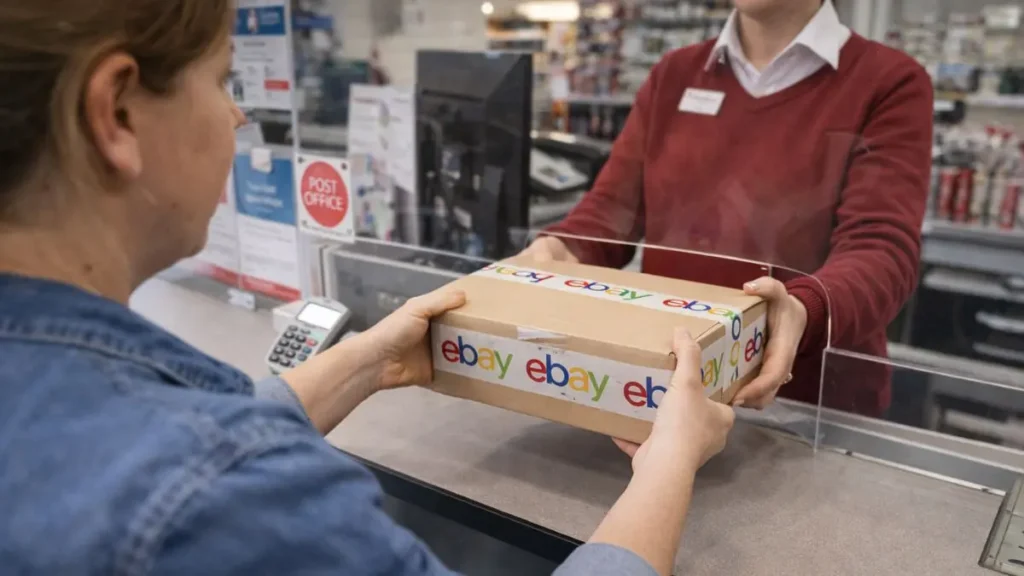
Buyers pay a buyer protection fee, and sellers set the item size and weight and choose which postage options to offer. Buyers then select their preferred carrier from those options. You can also choose optional extras like promoted listings.
What affects your final return is less about fees and more about everything around the sale. Time spent listing, answering questions, packing, and any returns all add up.
It is often more helpful to think in terms of time and overall effort, rather than just the headline price.
One feature that can be genuinely helpful on eBay is the ability to filter for sold items. This lets you see what similar items have actually sold for, rather than just what people are asking. In practice, this makes pricing much easier and helps avoid guessing or overpricing.
Returns, expectations, and buyer behaviour
eBay buyers often expect a higher level of detail and reliability.
This can mean clearer descriptions, more photos, and being prepared for questions before a sale. In some cases, buyers may also expect returns, which adds another layer of consideration.
For some parents, this level of structure feels reassuring. For others, it can feel like too much for low-value items.
It is also worth knowing that eBay now offers AI tools to help with photos and writing descriptions. They can save time, but from experience the descriptions can feel a bit generic or overly polished, so it is still worth quickly editing them to sound natural and accurate.
The key is deciding whether the item justifies that extra attention.
When eBay makes more sense than other platforms
There are situations where eBay is clearly the better choice.
If an item is likely to attract buyers beyond your local area, eBay gives you that reach. This can be especially helpful for more specific or higher-value items, and you also have the option to sell internationally if it feels worthwhile. eBay simplifies much of the international postage process, which can make it easier than trying to arrange it yourself.
It can also be useful when pricing is less obvious. In the past, auctions starting at £1 could drive lots of bids, but this tends to be less reliable now. From experience, it is often better to start closer to the price you would be happy with and adjust gradually if needed.
Buy It Now listings are now far more common, and many buyers expect to purchase immediately rather than bid. You may also notice fewer offers compared to platforms like Vinted, even if you allow them.
Compared to platforms like Facebook Marketplace or Vinted, eBay tends to favour items where value matters more than speed.
Signs an item is not worth listing on eBay
Some items give clear signals that eBay may not be the right place.
If something is low value, bulky, or likely to require a lot of explanation, it becomes more effort than it is worth.
If you find yourself hesitating to list something because it feels like a lot of work, that is usually a sign. In many cases, those items are better suited to bundling, local selling, or simply moving on quickly.
What to consider before choosing eBay
If you are still unsure, it can help to pause and think about a few simple questions.
Is the item valuable enough to justify the extra effort?
Are you willing to deal with postage, questions, and potential returns?
Would you be happy with the likely final amount once everything is taken into account?
It can also be worth thinking about how quickly you want access to the money. Once you have built up a reliable seller account, eBay can be quite fast for payouts, with funds often available soon after the buyer pays.
If the answer to most of these is yes, eBay is probably worth trying. If not, a simpler option will likely feel easier.
Where to go next
If you are weighing up whether eBay is the right choice, it often helps to look at the bigger picture rather than deciding in isolation. These guides can help you sense-check your decision and avoid extra work:
- What baby items sell best second-hand – helps you quickly spot which items are actually worth the effort on a platform like eBay, and which are likely to sit or under-perform
- How to clean and photograph baby items before selling – especially useful if you do choose eBay, as better photos and presentation can make a noticeable difference to buyer confidence
- How to price second-hand baby items fairly – helps you set a realistic price that takes into account both demand and effort, rather than guessing and adjusting later
- How to sell bulky baby items locally – often the easier route for larger items that are awkward to post, saving you time, cost, and hassle
What to take away
eBay can be a great option, but it is not always the easiest one.
It tends to work best when the item has enough value to justify the extra steps involved.
For everything else, choosing a simpler platform can often save time and make the whole process feel more manageable.
FAQ
Is eBay better than Vinted for baby items?
It depends on the item. eBay can work better for higher-value items, while Vinted is often simpler for everyday clothes.
Do you make more money selling on eBay?
Sometimes, especially for higher-value items. But once you factor in time, effort, and any returns or extras, the difference is not always as large as it first appears.
Is eBay worth it for baby clothes?
For most everyday clothes, it is usually quicker and easier to bundle or use simpler platforms.