

You might have seen the recent “What is dyslexia?” film being shared and talked about. It’s short, easy to watch, and genuinely helpful. It can also leave parents with a few unanswered questions. This guide breaks it down in plain terms, so you can understand what it really means for your child and what to do next.
Quick summary
If you’ve come across the dyslexia film and want a clearer, real-life explanation, here’s the key takeaway:
- The film explains dyslexia as a different way of thinking, not a lack of ability
- It focuses on strengths, which can be reassuring, but doesn’t show the full picture
- Day-to-day challenges (especially at school) are often more complex than the film suggests
- Dyslexia looks different in every child
- Understanding what it means in real life is what actually helps most
- Next step: notice patterns in your child and speak to their teacher if you’re unsure
- You can watch the full film below to see how it’s explained
This article is for / not for
This article is for:
- Parents who have seen the dyslexia film and want a clearer explanation
- Parents wondering what dyslexia actually looks like day to day
- Anyone trying to understand how it might affect their child
This article is not for:
- A formal diagnosis or assessment guidance
- Detailed clinical or academic explanations of dyslexia
Medical disclaimer
This article is for general understanding and support only. It does not diagnose dyslexia or replace professional advice. If you are concerned about your child’s development, speak to your GP, your child’s school, or a qualified professional. You can also refer to NHS guidance on learning difficulties.
The dyslexia film: a helpful starting point
The “What is dyslexia?” film is designed to do something quite specific. It aims to help children and parents feel more confident and less overwhelmed when they first come across the word dyslexia.
It shifts the focus away from labels like “disorder” or “difficulty” and instead highlights strengths such as creativity, problem-solving, and big-picture thinking. For many families, that shift alone can feel like a relief.
Like most short films, it focuses on the big picture rather than going into detail.
It’s a helpful starting point, and there’s a bit more to understand when it comes to how dyslexia shows up in everyday life.
If you’d like to watch it with that in mind, here it is:
What the film gets right
There are a few key messages in the film that are genuinely helpful to hold onto.
First, dyslexia is not about intelligence. Children with dyslexia are not less capable, they just process information differently.
Second, strengths matter. Many children with dyslexia do have areas where they excel, and recognising that early can make a big difference to confidence.
Third, early understanding helps. When parents and teachers understand what’s going on, children are more likely to feel supported rather than frustrated.
These are all positive and important messages.
It’s a helpful start, and there’s more to understand in day-to-day life.
What it doesn’t have time to cover
Because the film focuses on confidence and strengths, it doesn’t go as deeply into what dyslexia can feel like day to day. For a clearer overview, see Dyslexia explained for parents (and why it’s often missed).
One thing I’ve noticed is how much extra effort reading can take. Even a short sentence can need re-reading more than once, and small misreads can completely change the meaning or tone. For children, that can be frustrating, especially when it isn’t obvious to others.
For many children, this can include struggling to match letters to sounds, finding reading slow or tiring, and having difficulty with spelling even after lots of practice. Some children avoid reading or writing tasks, while others become frustrated or lose confidence at school.
These experiences can be subtle at first, which is why dyslexia is often missed.
The positive framing is helpful and important, but many parents still find they need a clearer picture of the practical challenges as well.
What dyslexia can look like in real life
If you want a clearer picture of how this shows up in everyday tasks like reading and writing, How dyslexia affects reading and writing day to day can help you see what this looks like in practice.
Every child is different, but there are patterns parents often notice over time. If you’re trying to spot early signs, Signs of dyslexia in children: what parents often notice first can help you recognise them with more confidence.
You might see your child understanding stories when read aloud, but struggling to read the same text themselves. They may have strong ideas but find it hard to get them down on paper.
At school, they might appear to be keeping up in some areas while quietly falling behind in reading or writing.
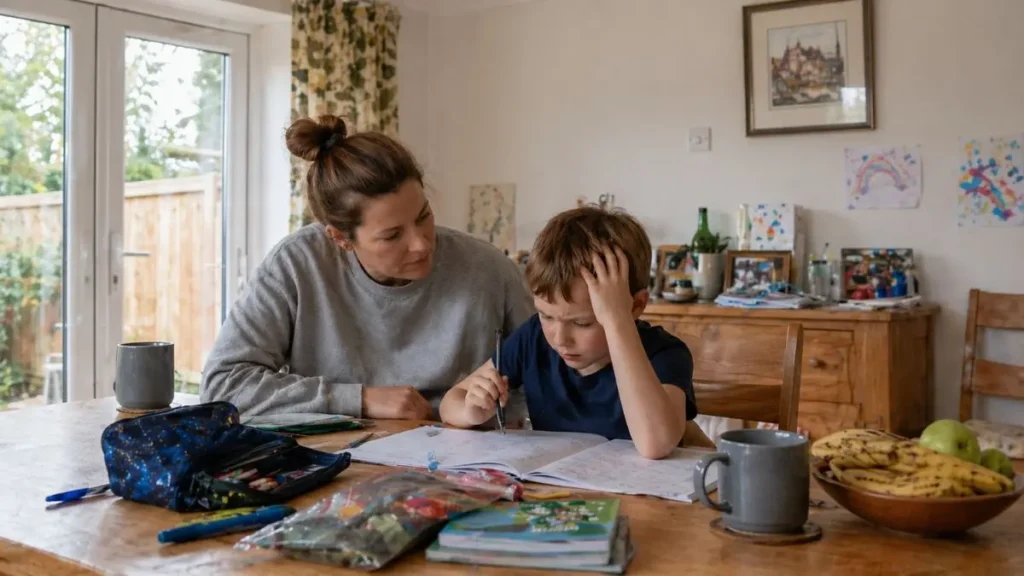
At home, it can show up as resistance to homework, or frustration that seems out of proportion to the task.
None of this means something is “wrong”, it usually means they need support in a different way.
What this means for your child
The most useful takeaway from the film is not just that dyslexia is a different way of thinking, but what that means in practice. If you’re also noticing attention or focus differences, Dyslexia and ADHD: why they often overlap (and what it means for your child) can help you make sense of that.
For most children, support works best when it includes a few key things:
- Extra time to process information
- Teaching approaches that break things into smaller steps
- Encouragement that focuses on effort rather than just results
- Recognition of strengths alongside challenges
Understanding that progress may look different, not slower, just different, is often one of the biggest shifts for parents.
One small thing that can help at home is taking the pressure off reading where you can. For example, audiobooks or being read to can still build understanding and confidence, without the same level of effort. It doesn’t replace learning to read, but it can make a real difference day to day.
Where to go next
If the film has raised questions for you, that’s a good thing. It often means you’re starting to notice patterns that weren’t obvious before.
You might want to talk to your child’s teacher about what they’re seeing in the classroom, keep a note of patterns you notice at home, or read more about how dyslexia shows up in different situations. For a UK-specific view of support, see How schools support dyslexia in the UK (and what to expect). If you’ve come across the “superpower” idea, Is dyslexia a ‘superpower’? A more honest look for parents looks at what that can mean in real life.
Understanding builds over time, not all at once.
For further guidance, you can refer to UK-based advice:
- NHS – dyslexia in children guidance
- Made by Dyslexia – original film and additional resources:
What matters most
The dyslexia film is a good starting point, but it’s only that, a starting point.
What helps most is understanding how your child experiences the world, noticing what they find easy or difficult, and adjusting support around that.
There isn’t one version of dyslexia, and there isn’t one way to support it.
But with the right understanding, most children find their way, and often in ways that aren’t always obvious at the start.